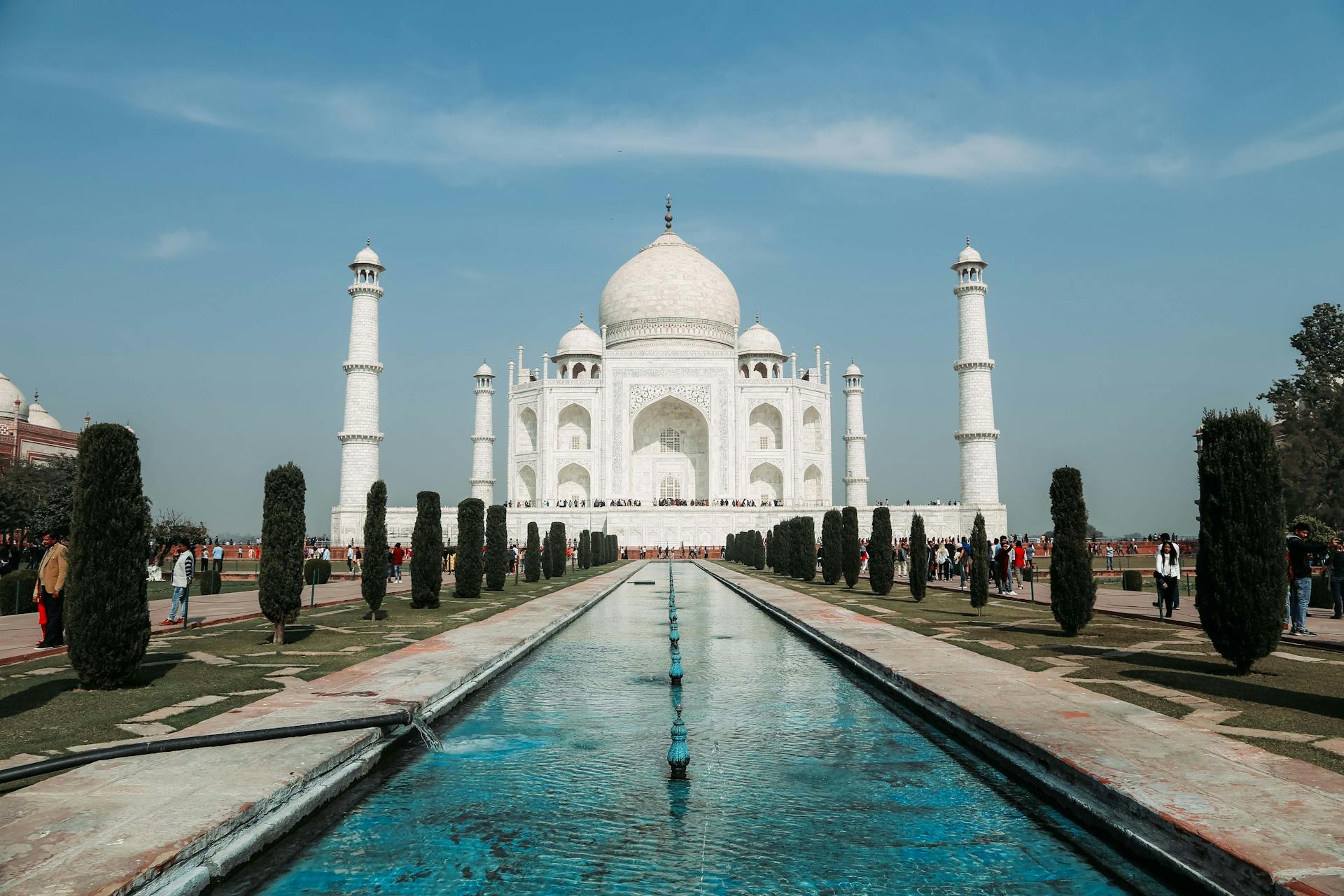
India is a land of infinite secrets. While the Taj Mahal queues get longer and Goa's beaches get more crowded every season, something else is happening in 2026 — a quiet shift in how a new generation of Indian travelers moves through their own country. They are leaving the itineraries that have been circulating since 2015 and turning toward places where the path is still a little uncertain, the guesthouse owner still makes chai because they want to, and the only photographs that exist of the view from that particular ridge are the ones you take yourself.
These seven destinations are not secrets known only to a handful of insiders. They are places that have existed for centuries — that have their own histories, their own distinct cultures, and their own extraordinary natural settings. What makes them hidden in 2026 is not obscurity but the simple fact that the tourist infrastructure has not yet colonized them. The crowds have not arrived yet. The Instagram cafés are not there yet. And that window, as Indian travel history consistently shows, does not stay open forever.
"Every destination in this list will look different in five years. The reason to go now is not fear of missing out — it is the rare chance to see a place that is still entirely itself."
— Meera Iyer, TravelBuddiz Community Host, VagamonIndia's Best Offbeat Destinations for 2026
These seven destinations span five Indian states, four climate zones, and altitudes from 900 to 3,690 metres. Zero ILPs required for Indian nationals at any of them. None requires a flight — all are reachable by train or road from a major city within 4–10 hours. Each one answers a different version of the question: "what does it feel like to travel somewhere that hasn't been turned into a product yet?"
Chopta — The Mini Switzerland India Forgot to Advertise
Pine forests, no permanent settlements, and a 360-degree Himalayan dawn that no photograph has ever done justice to
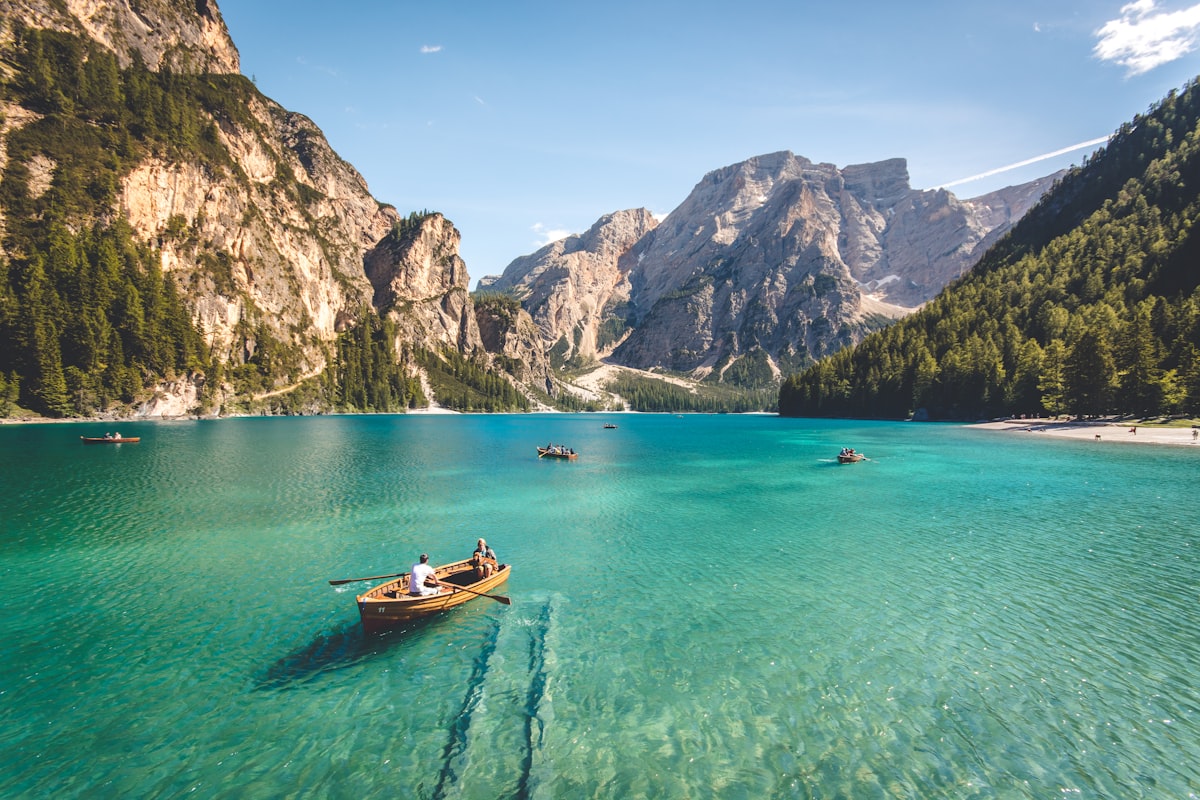
Most hill stations in India have surrendered their soul to tourism. Mussoorie's Mall Road is choked with fudge shops. Nainital's lake barely has room for another pedalo. Chopta, tucked at 2,680 metres inside the Kedarnath Wildlife Sanctuary in Uttarakhand, has done neither — and the reason is deceptively simple: it has no permanent settlements. No mall road. No electricity beyond solar panels in a few dhabas. The forest here is mixed oak, rhododendron, and deodar, and it smells, on a morning when the dew is still on everything, like the inside of a very old and well-kept promise.
It exists as the base camp for two experiences that combine to make Chopta exceptional. The first is the Tungnath Temple — the highest Shiva temple in the world at 3,680 metres, reached by a 3.5-kilometre trek that is paved in stone and accessible to most reasonably fit travelers. The second is the Chandrashila summit above Tungnath (covered separately as Destination 07), where the Himalayan panorama opens up into something that has no adequate description in any language.
- Wake up at 4:30 AM on a clear night and walk the meadow edge — the Milky Way above Chopta is among the most dramatic dark-sky experiences in the Garhwal Himalayas
- Rhododendron season in April–May turns the entire approach trail into a corridor of red and pink — the specific fragrance is something you carry home in your memory
- The Kedarnath Wildlife Sanctuary surrounds you — musk deer, Himalayan monal pheasants, and if you are extremely lucky and quiet, a bar-headed goose in the meadow
- No ATMs within 70 kilometres — carry all cash before leaving Rudraprayag. The dhabas at Chopta are cash-only and extremely inexpensive (full meal ₹80–120)
◆ Chopta Field Intelligence
- Mobile signal is erratic to nonexistent above Sari village. Download offline maps via Maps.me covering Chopta–Tungnath–Chandrashila before leaving Rishikesh.
- The Ukhimath–Chopta road (13km) is narrow, unpaved in sections, and genuinely impassable after heavy snowfall. Check BRO road conditions via the Himank app before your drive.
- Accommodate at Chopta (not at Ukhimath) for the summit attempt. The pre-dawn start requires being at trail-head by 5 AM — an hour earlier than most people plan for.
Jibhi — A Riverside Fairytale in the Tirthan Valley
Where the architecture is 200-year-old wood and stone, the river is cold and clear, and the pace of life is set entirely by water
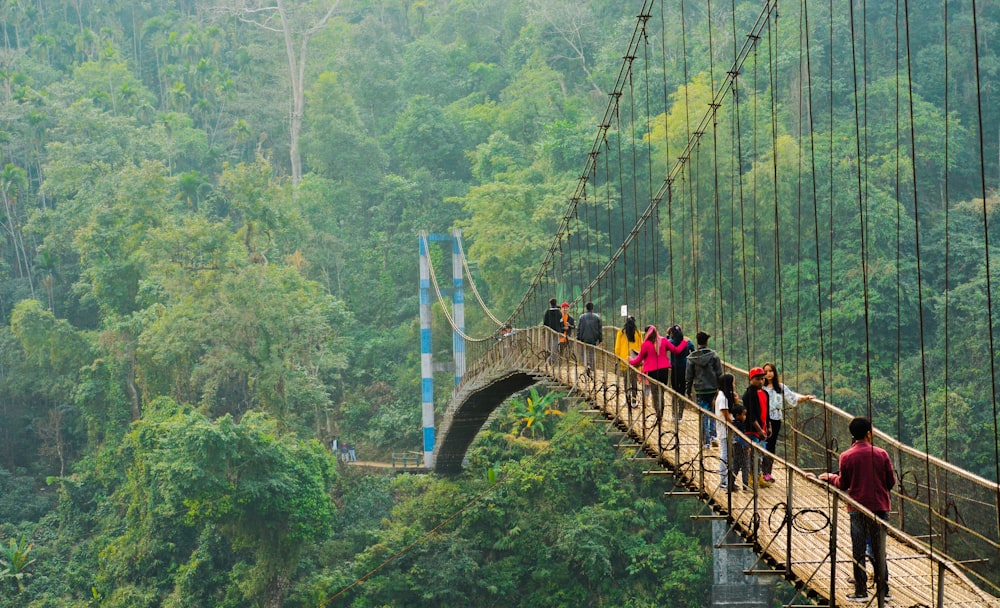
Manali has a Starbucks now. Kasol has six. Jibhi, a hamlet of barely 200 permanent residents in the Tirthan Valley of the Kullu district, has neither — and the people who have found it in the last five years have generally found a reason to come back. The architecture here is the traditional Kath-Kuni style: interlocking wood and stone construction that requires no cement and has survived Himalayan winters for centuries. The houses have carved wooden balconies. The roofs are slate. The Tirthan River runs cold and glacier-green along the village edge, loud enough at night to be the only sound that matters.
Jibhi is the rare Himachal destination that rewards the traveler who brings nothing particular to do. A two-night minimum is the right approach. Walk the river path to Ghiyagi village in the morning. Eat at your homestay host's table — the food here (fermented roti, dham, homemade butter) is the food of the Himalayan mid-belt, unchanged for generations. Then on Day 2, make the four-kilometre trek to the Serolsar Lake through the Great Himalayan National Park buffer zone: a high-altitude lake at 3,100 metres, still and entirely silent, with the kind of reflection that makes you understand why ancient cultures believed water could hold a soul.
- The Chehni Kothi tower — a 1,500-year-old defensive tower in the village of Chehni, 4 km from Jibhi, is one of the oldest standing structures in Himachal Pradesh and visited by almost nobody
- Trout fishing in the Tirthan River (with a valid permit from the local fisheries department) — the river is a protected trout stream and one of the last unspoiled fly-fishing spots in the Western Himalayan belt
- Homestay hosts in Jibhi are among the most genuinely hospitable in India — many families have been hosting travelers for less than 5 years and still treat each guest as an event worth preparing for

Coimbatore — The Western Ghats Gateway Nobody Thinks to Use
Where India's most biodiverse tropical forests begin one hour from a city airport, and the water at Siruvani is the second tastiest in the world
Coimbatore is branded as the "Manchester of South India" — a textile and engineering hub that most travel guides skip in favour of Ooty or Kodaikanal. This is a misreading of the city's actual significance as a travel base. Step 60 kilometres west and you enter the foothills of the Nilgiri Biosphere Reserve, one of the largest protected areas in South Asia and a UNESCO World Heritage Forest. The biodiversity here — Nilgiri tahr, leopards, elephants, lion-tailed macaques, over 3,000 species of flowering plants — is comparable to the Amazon in density, compressed into the Western Ghats mountain system that runs along Coimbatore's western edge.
The Siruvani Dam and Waterfalls, 37 kilometres west of the city, are Coimbatore's best-kept secret: the water at Siruvani is reputed to be the second-purest naturally occurring drinking water in the world (after the Siruvani stream in the Mudumalai forest). It tastes, genuinely and notably, different from water anywhere else. Entry requires prior permission from the Coimbatore City Corporation — apply online or at the Corporation office. The Adiyogi Shiva statue at the Isha Yoga Center on the city's outskirts is the world's largest Shiva bust: 34 metres of hammered steel, built in 2017 and most extraordinary at the 6 AM stillness of the morning programme.
- The Anamalai Tiger Reserve (Indira Gandhi Wildlife Sanctuary), 60 km south, runs guided jeep safaris into one of South India's most active tiger and elephant habitats
- Siruvani Waterfalls drop 20 metres into a pool of extraordinarily clear water — entry is restricted and numbers limited, which is exactly what keeps it extraordinary
- The Vaidehi Falls, even less visited than Siruvani, requires forest department permission and a guide — but that barrier means you will arrive to find it completely empty

Kumbhalgarh — The Great Wall of India That Nobody Talks About
36 kilometres of fortification. Never conquered in battle. And a wildlife sanctuary outside the walls that nobody comes to see
Ask most India travelers about Rajasthan's greatest fort and they will say Amber, or Mehrangarh, or Chittorgarh. Kumbhalgarh is the answer to a better version of that question: not the most famous fort, but the most extraordinary one. Its wall — 36 km continuous, wide enough at the top to drive a vehicle — is the second-longest wall in the world after the Great Wall of China. The average tourist does not know this. The average visitor to Kumbhalgarh does not see more than 300 metres of it. The scale of what was built here, in the 15th century, without machinery, in the middle of the Aravalli hills, is the kind of human achievement that recalibrates your understanding of what civilisations were capable of.
The fort itself was designed by the architect Mandan and built under Maharana Kumbha of Mewar — who also built Chittorgarh's famous tower. Unlike Chittorgarh, which fell multiple times to invaders, Kumbhalgarh was never conquered in its active history. The only time it fell was through a water supply sabotage — Akbar's forces mixed poison into the water source. That strategic invulnerability is written into the fort's architecture: the seven concentric walls, the steep approach roads designed to exhaust attacking elephants, the sheer height of the ramparts relative to the surrounding landscape.
- The Kumbhalgarh Wildlife Sanctuary surrounding the fort is home to wolves, leopards, sloth bears, and Indian civets — a wildly undervisited reserve that most Rajasthan tourists drive past without stopping
- The Badal Mahal (Palace of Clouds) at the fort's highest point is the architectural centrepiece — its painted interiors and view over the Aravalli range is the specific image that resets your scale of Rajasthan's vastness
- Walking the accessible section of the outer wall at dawn — before the morning tour buses arrive — gives you a view of the Aravallis that might be the most underrated sunrise viewpoint in India

Vagamon — Kerala's Other Hill Station, the One Nobody Crowds
Pine forests that look borrowed from Scotland, rolling meadows, and paragliding over a silence so complete it feels like the world turned the volume off
Munnar is extraordinary, but Munnar in December looks like a traffic jam with tea bushes. Vagamon, 55 kilometres south in the same Idukki district, offers a version of the same landscape — high-altitude greenness, cool air, the Western Ghats sky — in near-complete tranquility. The nickname "Scotland of Asia" is not hyperbole: the pine-forested ridges and rolling meadows genuinely look like a landscape that belongs at 57 degrees north rather than 10 degrees north of the equator. The light does something unusual here at dusk — it catches in the pine canopy and creates a gold-green effect that photographers travel a long way to find by accident.
Vagamon's three hills — Thangal Hill (a Muslim shrine), Murugan Hill (a Hindu temple), and Kurisumala Hill (a Syrian Christian monastery) — stand together in visible proximity and represent something that feels quietly significant in 2026 India: three religious traditions sharing the same highland ridge without performance, without tourism infrastructure, without anyone making a point of it. The Kurisumala Ashram, a Cistercian monastery at 1,200 metres, welcomes visitors who call ahead, and its morning chanting carries down the valley in a way that stays with you.
- Tandem paragliding over the meadows at Vagamon is the single most exhilarating activity in Kerala that is not the backwaters — the thermal conditions and the view combine in a way that is not replicated anywhere else in South India
- The Poonjar Palace ruins and the surrounding rubber and cardamom estate walks give Vagamon a cultural layer that pure hill stations rarely offer
- Monsoon Vagamon (June–September) is a niche but genuinely rewarding experience — the mist sits so thick on the meadows by evening that landmarks 200 metres away disappear. Rates drop by 40%. Crowds drop by 80%.

Hampi — The Bouldered Kingdom That Looks Like Another Planet
A UNESCO World Heritage Site where the real discovery is not in the guidebook but across the river, in the ruins nobody photographs
Hampi is technically famous. It appears on every India travel list and has a UNESCO World Heritage designation and a significant number of backpacker guesthouses. But it belongs on this list because most people who visit Hampi see perhaps 15% of it. The Virupaksha Temple, the Vittala Temple with its Stone Chariot, the Queen's Bath. Tick, tick, tick. Then they leave. The real Hampi — the Hampi that permanently changes how you think about the ancient world — requires a bicycle, two full days, and the willingness to follow stone paths through boulder fields to ruins that have no signage because no authority has gotten around to putting any up yet.
Across the Tungabhadra River, accessible by coracle (a circular basket boat that is genuinely extraordinary in its own right), lies Virupapur Gaddi and the approach to Anjanadri Hill — traditionally identified as the birthplace of Hanuman. The view from the summit looks over the entire boulder landscape of Hampi's outer circuit, a terrain of such geological peculiarity that it does not seem to belong to the same planet as the paddy fields and banana trees in the valley below. Watching the sunrise from Anjanadri Hill, over a landscape of 600-year-old ruins distributed among boulders the size of houses, is one of the clearest arguments for independent, unhurried travel that India makes.
- Sunset from Matanga Hill — a 20-minute boulder scramble from the market — gives you the full Hampi bowl at golden hour: temples, river, boulders, and the specific colour that Karnataka sky turns in November that exists nowhere else
- Bouldering at Hampi has an international reputation among climbers — the granite formations provide routes from beginner to expert-level, and local guides charge ₹800–1,200 for a half-day introduction session
- The Elephant Stables — eleven domed chambers that once housed the royal elephants of Vijayanagara — are architecturally and historically extraordinary and almost always quiet, visited by a fraction of the people at Vittala Temple
Chandrashila — The High-Altitude Summit Beginners Can Actually Reach
At 3,690 metres, with Nanda Devi, Trishul, and Chaukhamba visible simultaneously, this is the most accessible Himalayan sunrise that exists
The Chandrashila — "Moon Rock" in Sanskrit — sits 1,010 metres above the Chopta meadows and one kilometre above the Tungnath temple, which is itself the highest Shiva temple in the world. The combined trek from Chopta to Tungnath to the Chandrashila summit is 4.5 kilometres of moderate ascent with no technical sections, no rope work, and no altitude gain that outpaces a reasonably fit person's ability to acclimatize in a single day. This makes it exceptional in the Indian Himalayan context: a genuine high-altitude summit experience that does not require a week of preparation, specialist equipment, or a prior trekking résumé.
What you find at the summit on a clear morning — which April through June and October through November largely provide — is a 360-degree Himalayan panorama that includes Nanda Devi (7,816m, India's highest peak), Trishul (7,120m), Chaukhamba (7,138m), and Kedarnath dome visible to the northeast. This is not a filtered Instagram impression of the Himalayas. It is the actual mountains, in actual scale, close enough that the distinction between sky and snow is genuinely uncertain at the horizon. The first light hitting these faces at 5:30 AM — when the summits turn gold before the valley below has properly woken up — is one of those experiences that permanently recalibrates your sense of proportion.
- The Tungnath Temple at 3,680m is one of India's five Panch Kedar Shiva temples — the priest who manages it walks up from the valley below each morning during the May–November open season, carrying the ritual objects for the morning puja
- The rhododendron forest on the Chopta–Tungnath trail during April and May is in full crimson bloom — the combination of flower canopy, snow above, and a Himalayan view between the branches is Uttarakhand at its absolute peak
- Winter Chandrashila (January–March) is a completely different experience — deep snow, closed temple, completely empty trail, and a summit view of snow-plastered peaks against a winter sky of impossible blue
◆ Chandrashila Summit Intelligence
- Acclimatize one night at Chopta before the summit attempt. Ascending from lower altitudes directly to 3,690m in a day causes AMS in approximately 30% of first-time high-altitude visitors.
- Start the summit push at 4:30–5:00 AM from Chopta to reach the summit before clouds build after 10 AM. High-altitude cloud cover is the single most common reason people reach the summit and see nothing.
- The stone path from Chopta to Tungnath is well-maintained. The path from Tungnath to the summit is rougher and requires careful footing in wet conditions.
- Carry 2 litres of water minimum — there is no water source above Chopta until you descend back. The dhabas at Chopta sell maggi and chai but no reliable bottled water.
All 7 Hidden Gems at a Glance: Strategic Summary
| Destination | State | Best For | Best Season | Budget/Day | Difficulty |
|---|---|---|---|---|---|
| Chopta | Uttarakhand | Alpine trekking, dark skies | Apr–Jun · Jan–Mar | ₹800–1,400 | Easy |
| Jibhi | Himachal Pradesh | Slow travel, heritage stays | Mar–Jun · Oct–Nov | ₹700–1,200 | Easy |
| Coimbatore | Tamil Nadu | Biodiversity, spirituality | Sep–Mar | ₹900–2,000 | Easy |
| Kumbhalgarh | Rajasthan | History, architecture, wildlife | Oct–Mar | ₹1,200–2,500 | Easy |
| Vagamon | Kerala | Meadows, paragliding | Dec–Feb · Jun–Sep | ₹900–1,600 | Easy |
| Hampi | Karnataka | Heritage ruins, bouldering | Nov–Feb | ₹700–1,400 | Moderate |
| Chandrashila | Uttarakhand | Himalayan summit, beginner trek | Apr–Jun · Oct–Nov | ₹800–1,400 | Moderate |
How to Explore Hidden Gems Safely in 2026
Offbeat destinations require better preparation than city trips — not because they are more dangerous, but because the safety nets are thinner. No urgent care clinic 10 minutes away. No cab app with surge pricing. No hotel concierge who speaks your language. The preparation gap between a city trip and a Chopta winter trek is significant, and the consequences of skipping it are proportionally serious.
Offline Maps
Download Maps.me or Google Maps offline for every destination before leaving the last town with signal. In Chopta, Jibhi, and Chandrashila, mobile connectivity is erratic to nonexistent.
Verified Hosts
Remote areas lack reliable hotel infrastructure. TravelBuddiz verified local hosts provide KYC-checked accommodation with local emergency contacts built in.
Medical Kit
For mountain destinations, carry: ORS sachets, antacid, Diamox (consult doctor first), blister plasters, antiseptic. The nearest pharmacy may be 60+ km away.
Cash Only
Jibhi, Chopta, and Chandrashila have no ATMs within 30–70 km. Carry all cash before departure. ₹3,000 minimum for a 3-night mountain trip beyond the daily budget estimate.
Travel in Groups
Offbeat destinations are both safer and more affordable with 3–6 people. Shared vehicles, split accommodation, and mutual safety awareness dramatically reduce solo travel risk.
Check Weather
Mountain weather changes in hours. Check AccuWeather or the IMD forecast the morning of any trek. Afternoon thunderstorms are common June–August across all Himalayan destinations.
Mobile Connectivity Reality: In Jibhi and Kumbhalgarh, 4G is available. In Chopta and Chandrashila, signal is very erratic — treat it as absent. In Vagamon's outer meadows, BSNL works better than Jio/Airtel. Always inform an emergency contact of your exact location and expected return time before heading into any mountain terrain. WhatsApp your accommodation host the evening before each day's trek with the planned route.
Offbeat India Packing Checklist —
Non-Negotiables
Everything You Need to Know
Go Before They Get Famous.
Every destination on this list will look different in five years. The cafés will arrive. The parking lots will follow. The window to see them as they actually are — belonging entirely to themselves — is real and it is not infinite. These seven places are waiting for travelers who still believe the point of travel is discovery, not documentation.
Find Your Offbeat Travel Buddy →