There are roads that take you from Point A to Point B. And then there are roads that take you somewhere entirely different — somewhere deep inside yourself. India hides some of the most staggeringly beautiful highways on this planet. High-altitude passes that brush the clouds. Rivers that flash silver through ancient gorges. Skies so wide and dark at night that you start to feel small in the most wonderful way.
These four road trips aren't just scenic drives. They are rites of passage. Each one demands something from you — patience when the road crumbles, courage when the weather closes in, humility when the mountains remind you who is actually in charge. And in return, they offer you something no resort, no Instagram highlight reel, and no tour package ever could: the raw, unmediated experience of being utterly present in one of Earth's most spectacular landscapes.
"The mountains have a way of cutting through everything that isn't real. Drive long enough above 4,000 metres, and you'll find out exactly who you are."
— Riya Sharma, TravelBuddiz Community Host, KazaIn 2026, traveling these high-altitude circuits requires more than just a vehicle and a sense of adventure. It requires a deep understanding of seasonal rhythms, permit logistics, and the specific mechanical demands of terrain that breaks unprepared machines without mercy. Whether you ride a Royal Enfield Himalayan through the Zoji La or drive a 4x4 SUV into the heart of Spiti Valley, these routes demand respect — and reward you with vistas that permanently alter how you see the world.
The Operational Reality of 2026 Himalayan Travel
The completion of both the Sela Tunnel and the Z-Morh Tunnel has meaningfully altered connectivity timelines on two of these routes. But increased accessibility cuts both ways — what was once a lonely mountain road now fills with tourist taxis by mid-morning. The soul of these roads is found in the early hours, before the convoys of buses and the military truck trains take over the switchbacks.
The golden rule: be through the primary passes before 10:00 AM. Cross Tanglang La at dawn. Clear the Kunzum Pass before the afternoon thunderheads build. The light is better anyway — the low-angle morning sun turns Spiti's canyon walls into sheets of hammered copper.
Digital Preparedness: While 5G is expanding to district headquarters, the "dead zones" in Kinnaur-Spiti and the Tawang circuits remain extensive. Offline cached maps via Maps.me or Google Maps is not optional — it is life-critical standard operating procedure. Download every section before you leave a town with signal.
Safety at altitude also means understanding your own physiology. Driving at elevations exceeding 4,500 metres places extraordinary stress on the cardiovascular system — and on your vehicle's engine. The only proven protocol against Acute Mountain Sickness (AMS) is the "climb high, sleep low" principle: ascend aggressively by day, descend to sleep. Acclimatization is not a suggestion inserted to pad your itinerary. It is a mandatory, non-negotiable component of any responsible Himalayan travel plan.
Altitude Medication: Carry Diamox (Acetazolamide) 250mg tablets and consult a physician before departure. Symptoms of AMS — persistent headache, nausea, loss of appetite — appearing above 3,500m demand immediate descent, not rest. Do not "push through" AMS. People die doing that every season.
Shimla → Kalpa → Kaza: The Road to the End of the World
Where apple orchards give way to moonscapes, monasteries, and million-year-old fossils
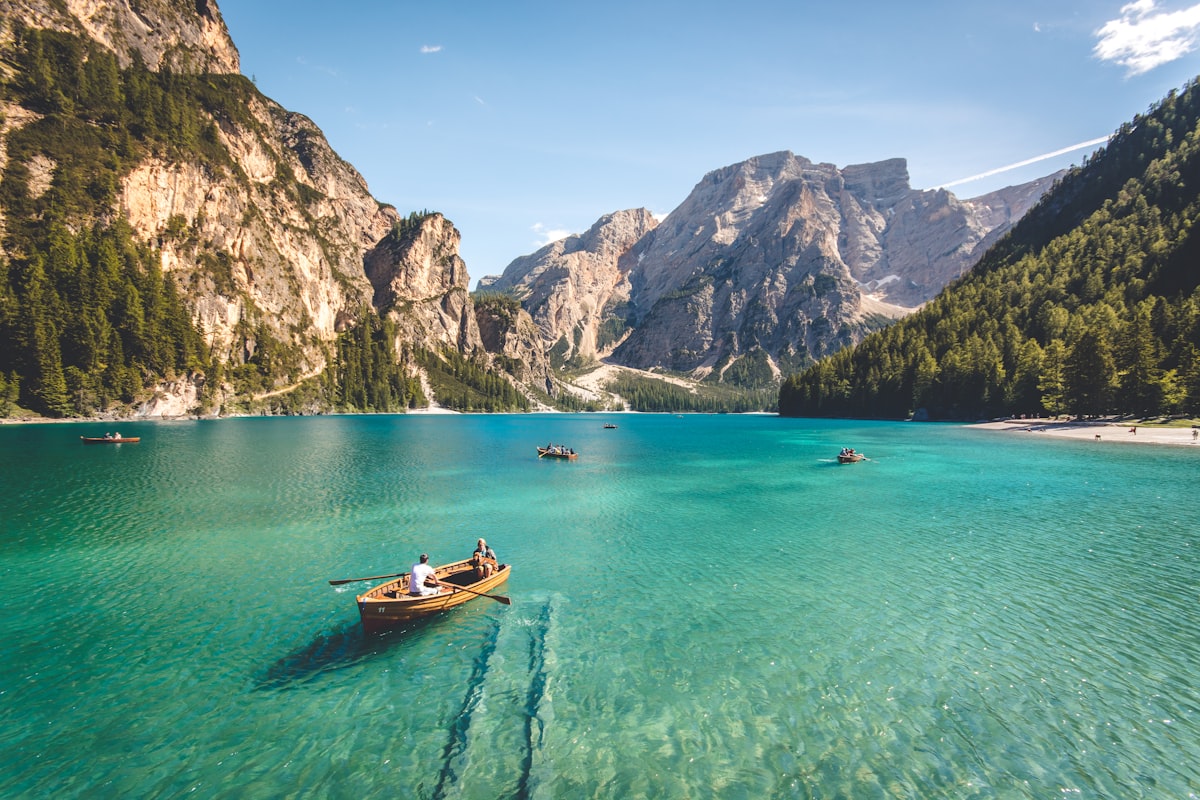
Begin in the familiar colonial air of Shimla and watch the world transform. The road narrows. The rock faces become orange, then purple, then bone-white. The Sutlej gorge at Khab — where the Sutlej and Spiti rivers meet — is so deep and so violent that it seems to belong to a different planet. By the time you reach Chitkul, you will feel the quiet, clarifying weight of being at the edge of the inhabited world.
The Kinnaur-Spiti circuit is Himalayan India at its most visually extreme. Villages cling to cliff faces like lichen. Irrigation channels carved into sheer rock deliver water to terraced fields of green buckwheat and golden barley. Every hour of driving reveals a landscape so different from the last that you begin to understand why the ancients here believed the mountains were alive.
Key Waypoints
◆ Field Intelligence
- Clean your air filter every morning — Spiti's dust will choke a carburettor within a day at altitude.
- Carry minimum two 10-litre auxiliary fuel cans. The Kunzum Pass weather can unpredictably stall progress and spike fuel consumption.
- Cash only after Reckong Peo. The ATM in Kaza works intermittently at best. Budget ₹15,000 in notes minimum.
- The Kinnaur stretch via NH-5 near Kharchham has active rockfall zones. Do not stop or park under the cliff walls. Ever.
Leh → Tso Moriri: Chasing the Lake That Time Forgot
A remote Ladakhi odyssey through geothermal springs, nomad camps, and 26km of untouched cobalt silence
Tso Moriri sits at 4,595 metres in the Changthang plateau — a vast, cold, achingly beautiful lake that most tourists in Leh will never see. While the crowds queue for Pangong's heavily Instagrammed blue waters, this route threads through an older, quieter Ladakh: the Ladakh of nomadic Changpa herders who move with their pashmina goats across a plateau that looks like the surface of Mars in the best possible way.
The drive from Leh via Chumathang and Mahe is technically demanding. River crossings are real, the road disappears entirely in places, and mobile signal is nonexistent from Mahe onwards for hours at a stretch. This is not a route you improvise. But it is a route that rewards the prepared traveler with a solitude and a sense of discovery that Pangong Tso, for all its beauty, simply cannot offer anymore.
Permit Required — Inner Line Permit (ILP)
Indian nationals require an ILP (~₹400) obtainable online via the Leh DC office portal or the Ladakh Tourism app. Foreign nationals need a Protected Area Permit (PAP) — apply minimum 48 hours before departure. Carry printed copies plus digital backups. Checkposts at Chumathang are strict.
Key Waypoints
◆ Field Intelligence
- Two full acclimatization days in Leh (3,524m) are mandatory before attempting this route. Do not skip this, regardless of deadline pressure.
- No fuel after Mahe bridge until Korzok. Fill completely at Leh and carry 10L extra minimum. Distance is deceptive on these roads — ETA calculations from Google Maps are useless here.
- Camps and guesthouses at Korzok have limited capacity. Pre-book via a Leh-based agent or the TravelBuddiz community hosts for the July-August peak window.
- Wind at Tso Moriri can reach 60+ km/h by 2 PM. Plan photography and lake walks for morning. Tent pegs need to go 30cm deep.
Bumla Pass → Tawang: India's Secret Himalayan Paradise
The northeast's best-kept secret — an ancient Buddhist kingdom that feels like Tibet before Tibet forgot itself
Most Indian travellers have never been to Arunachal Pradesh. The permit barrier, the distance, the absence of Bollywood-certified landmarks — these have kept it gloriously, stubbornly unknown. The road to Tawang is the most culturally immersive drive in India, threading through a landscape that has been Buddhist for over a thousand years. Every monastery, every prayer flag, every butter lamp burning in a roadside shrine reminds you that this is a living civilisation, not a museum exhibit.
The completion of the Sela Tunnel has transformed the logistics of this route. The old road over Sela Pass at 4,170 metres was famously treacherous in winter — a beautiful, terrifying gantlet of ice and prayer. The tunnel now provides year-round access, which means the October-November and March-May windows are now genuinely viable rather than aspirational. But the old Sela road is still there for those who want it — a detour that earns its views.
Inner Line Permit (ILP) Required: Arunachal Pradesh requires an ILP for all non-residents. Indian nationals can apply online via the Arunachal Pradesh government's ILP portal (arunachalilp.com) or at the border checkpoint. Foreign nationals require additional clearances — process these 4–6 weeks in advance. The ILP specifies entry/exit points; plan your route before applying.
Key Waypoints
◆ Field Intelligence
- Apply for the ILP minimum 2 weeks before travel. The online portal is functional but slow. Have physical copies — digital copies are not always accepted at remote checkposts.
- Bumla Pass requires a separate Army permit and can only be visited on a guided tour from Tawang. Arrange this at your Tawang hotel or guesthouse the evening before.
- The drive from Tezpur to Tawang is 10–12 hours of intense mountain road. Break it at Dirang, not Bomdila — Dirang puts you closer to Sela for an early morning crossing.
- Carry warm layers even in October. Tawang nights drop below 5°C and the roads ice by November.
Sonmarg → Kargil → Leh: The Highway of Heaven
India's most cinematic drive — from glacier meadows to moonscape valleys in under 450 kilometres
National Highway 1 from Srinagar to Leh is not merely a road — it is a legend. In under 450 kilometres, you transition through more distinct landscapes than some countries contain entirely. It begins in the impossibly green glacier meadows of Sonmarg, where the Thajiwas Glacier pushes down to touch the treeline. Then comes the Zoji La — not the highest pass on this list, but perhaps the most atmospheric — a narrow, boulder-strewn corridor at 3,528 metres that marks the boundary between the lush Kashmir Valley and the high-altitude desert of Ladakh.
Beyond Zoji La, the world drains of green. The Drass Valley — the second coldest inhabited place on Earth — stretches in shades of ochre and brown, framed by peaks that look hand-drawn against a sky of impossible blue. Kargil sits at the heart of the route, a city that has seen more than its share of history and carries it with a quiet dignity that deserves your respect and your time.
2026 Access Update: The Z-Morh Tunnel (near Sonmarg) provides year-round connectivity to Gund, significantly reducing winter-closure risk on the first section. However, the Zoji La stretch remains seasonally closed from approximately November to late May. Always verify BRO road status before departure via the Himank app or the BRO WhatsApp hotline.
Key Waypoints
◆ Field Intelligence
- Do the Srinagar-Leh direction, not reverse — you acclimatize gradually as the altitude rises, which dramatically reduces AMS risk compared to flying directly to Leh.
- The Zoji La section (approximately 18 km) has no guardrails, active erosion, and is one lane in practice. Hire a local driver for this section if your off-road experience is limited.
- Patrol convoys have priority on NH-1. When a military convoy passes, pull completely off the road and wait. Do not try to overtake. Ever.
- The most photogenic stretch — Nimmu to Leh — is best driven in late afternoon when the Indus Valley light turns gold and the cliffs glow terracotta.
The Non-Negotiable Packing List
Everything You Need to Know
These Roads Won't Wait for You
India's mountain highways are both eternal and fragile. Glaciers retreat. Roads close. Villages change. The window to drive these routes as they exist today — raw, difficult, and staggeringly beautiful — is real and finite. Go while the roads are still hard enough to be worth it.
Plan Your Trip with TravelBuddiz →