
Group of friends travelling together on a road trip across India with mountains in background
Itineraries · Group Travel 2026

The 5-Day Group
Trip Template for
India

Stop building from scratch every time. A copy-and-use framework for any Indian destination — with roles, budget checkpoints, and day-by-day flow that actually works when 6 people have 6 opinions.

By TravelBuddiz Team May 26, 2026 12 min read

Every group trip starts the same way: someone sends a message to the chat saying "should we plan a trip?" and within 48 hours you have twelve people saying yes, four preferred destinations, three conflicting holiday windows, and absolutely no structure. Then someone agrees to "handle the planning," disappears into a Google Doc labyrinth, and two weeks later the group is choosing between a half-baked itinerary and going to the same resort they went to last year. It does not have to be this way.

This is a battle-tested, copy-and-use 5-day group travel framework built from hundreds of trips coordinated through the TravelBuddiz community. It is destination-agnostic — the structure works whether you are driving to Manali, flying to Goa, taking the overnight train to Jaisalmer, or doing a Kerala backwater circuit. Swap the specifics. Keep the architecture. Cut your planning time by more than half.

"The itinerary is not the trip. But a bad itinerary will ruin a good trip. Build the structure right and the magic takes care of itself."

— Arjun Mehta, TravelBuddiz Community Host, Manali

Why Group Trips Fall Apart — and How to Stop It

India group trips collapse for predictable reasons. Not because of bad destinations or bad weather, but because of the same three structural failures repeated every time: nobody owns a decision, money becomes awkward on Day 2, and one over-packed day leaves half the group exhausted and resentful for the remaining four. This template addresses all three problems by design.

Duration 5 Days
Group Size 4 – 12
Works For Any Destination
Planning Time –60%
Budget Control Built-In
Reusable Every Trip

The five days follow a deliberate energy curve: slow arrival, high anchor, immersive middle, flexible split, clean exit. Each day has a primary purpose and a daily regroup checkpoint — one fixed point where the entire group reconvenes regardless of what individual sub-groups do during the day. This single rule prevents 80% of group friction.

💡

How to Use This Template: Copy the day structure and role assignments directly. Fill in destination-specific activities in the [ANCHOR ACTIVITY] and [LOCAL EXPERIENCE] slots. Share the budget table with your group before departure so every member knows the daily spend target. The template is also available as a Google Sheets version via TravelBuddiz — pre-formatted and shareable.
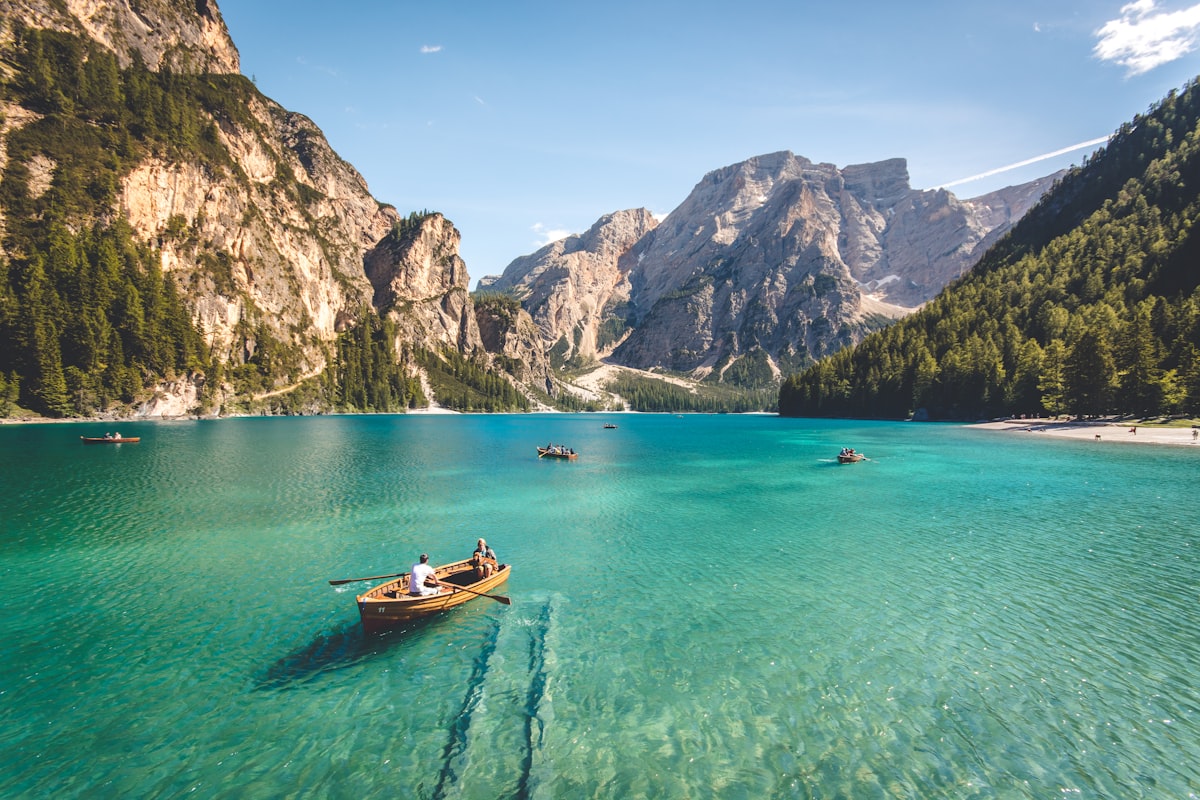
Group of friends on a mountain road trip in India with scenic valley views Friends planning a group travel itinerary with maps spread on a table Group travel planning session with notebooks and travel gear

Assign These 5 Roles Before Departure

The single highest-ROI action in group trip planning is assigning roles before departure — not on Day 1 when everyone is jet-lagged and hungry and nobody wants to be the one who makes a call. Five roles cover 90% of all group logistics across a 5-day India trip. Rotate them on longer trips. On a 5-day trip, keep them fixed.

Role Owns Key Responsibilities
🧭 Trip Lead Final decisions Point of contact for all vendors and drivers. Makes the call when the group is split. Holds all booking confirmations. Everyone defers to them on-ground when time is short.
💰 Treasurer Group fund Collects equal upfront contributions from all members. Pays all shared expenses (hotel, vehicle, entry fees, group meals). Tracks on Splitwise. Reconciles and settles on Day 5 before dispersal.
🗺️ Navigator Routes & maps Downloads offline maps (Maps.me or Google Maps) for the entire destination area before Day 1. Knows the route between each day's locations. Talks to drivers and locals for ground-truth directions.
🩺 Medic Health & safety Carries and manages the group first aid kit. Knows each member's allergies and medical conditions before departure. Has the number of the nearest clinic for each day's location saved offline. Carries ORS, antacid, and any group-specific medication.
📸 Documenter Group memory The designated photographer for group shots (not just personal reels). Creates the shared album. Writes the brief daily log — 3 sentences per day — that becomes the post-trip summary the group will actually read and keep.

◆ Role Assignment Intelligence

  • Assign roles via the group chat at least 5 days before departure — not in the airport. Each role holder needs time to prepare (download maps, pack medical kit, set up Splitwise group).
  • The Trip Lead and Treasurer should not be the same person. Decision-making authority and money management work better when separated.
  • The Documenter role is frequently undervalued. Six months after the trip, the photos no one took, the moment no one wrote down — those are what you'll miss most.
  • For groups of 4, the Navigator and Documenter roles can overlap. For groups of 8+, consider adding a Logistics Coordinator who handles real-time booking changes, restaurant reservations, and vehicle coordination.
📅
1 Arrival Day

Land, Settle, Orient

The day you do less so you can do more for the next four.

Day 1 is the day most group trips accidentally wreck. Someone insists on squeezing in a sunset activity after a 5-hour journey. The accommodation check-in takes longer than expected. One person hasn't eaten since morning. By dinner, two people are quietly irritated and the group energy is already fractured. The rule is simple: Day 1 is orientation, not execution.

By 2 PM
Arrival and Check-In
All travel to the destination should be timed to arrive by early afternoon. This gives a buffer for delayed trains and flights without losing the evening. The Trip Lead contacts the accommodation 30 minutes before arrival to confirm rooms are ready. The Treasurer collects accommodation payment from the group fund on check-in.
Book accommodation with free cancellation until 48 hours before. Group plans change. Do not lock yourself into non-refundable rates for Day 1, when transit delays are most likely.
3:00 PM
Orientation Walk — 45 Minutes
A short, low-stakes walk around the immediate neighborhood. Not a sightseeing mission — a calibration. Find the nearest medical shop, the local ATM, the best chai stall, the auto-rickshaw stand. The Navigator notes the key street names and landmarks. This 45-minute walk prevents 3 hours of confusion over the next four days.
5:00 PM
Group Briefing — 20 Minutes
One session, all members present, before the first group meal. Cover: full 5-day itinerary walkthrough, shared fund status, each role holder confirms readiness, one group rule agreed upon (e.g., "everyone's at breakfast by 8 AM" or "phone-free dinners"). This 20-minute meeting is worth more than any planning app.
The group rule you agree on Day 1 should be one rule only. Groups that establish five rules on Day 1 follow zero of them by Day 3.
7:30 PM
First Group Dinner — No Splitting
The first dinner is always together, full group, same table. This is non-negotiable. Sit somewhere local — not the hotel restaurant, not a chain. Order communally. Tell the waiter upfront you want one bill. The Treasurer pays from the group fund. This meal sets the tone for how the group eats and shares for the rest of the trip.
⚠️

Day 1 Red Lines: Do not schedule any paid activity, major sightseeing, or adventure sport on Day 1. Do not attempt to cover ground between two distant locations on arrival day. If anyone feels unwell after transit, the group waits — health over schedule, every time.

2 Anchor Day

The High-Value Day

One headline activity. Build everything around it.

Day 2 carries the emotional weight of the trip. This is the day the group is fully rested, fully present, and highest-energy. Use it for your single most significant planned activity — the thing someone will describe to their colleagues when they come back. The Himalayan trek, the tiger safari, the backwater houseboat, the desert camel circuit, the Rann of Kutch sunrise. Whatever that anchor is for your destination, it goes here.

🏔️
Mountain DestinationsTrekking, river rafting, or a high-altitude viewpoint drive. Start by 6 AM to beat afternoon clouds.
🏖️
Coastal DestinationsBoat trip, scuba/snorkel, or a hidden beach circuit. Book boats the evening before — morning availability fills fast.
🏯
Heritage DestinationsPrimary fort or palace complex in the morning, smaller monuments in the afternoon. Hire a local guide — worth every rupee.
🌿
Wildlife DestinationsSafari slot booked months in advance. Morning safari always over evening. Book via official forest dept portals.
6:00 AM
Early Start — [ANCHOR ACTIVITY BEGINS]
India's best experiences happen before 10 AM. The light is better, the crowds are smaller, and the heat is manageable. Whatever your anchor activity is, schedule its start time here. Pack water (2L minimum per person), snacks, sunscreen, and any activity-specific gear the night before.
1:00 PM
Midday Break — Mandatory
Two hours off. Lunch, shade, rest. The afternoon energy crash is real and it is physiological, not a sign of a bad group. Groups that power through without a midday break consistently report worse second-half experiences. Schedule the rest into the plan; do not "see how people feel."
4:00 PM
Optional Evening Extension
One optional add-on for the high-energy members: sunset viewpoint, local evening market, or a heritage walk. The word "optional" here is doing real work — people who need rest can skip without guilt, and the group culture of respecting different energy levels is established for the rest of the trip.
The evening extension should never be something the whole group "should" do. It is a genuine option, not a socially obligatory one.
3 Immersion Day

Culture, Food & Slow Discovery

The day the destination gets under your skin.

Day 3 is the most underrated day in any group itinerary. Groups that pack it with scheduled activities miss what it is actually for: the slow, unstructured absorption of a place. A morning food walk through the local market. A chai conversation with a shopkeeper. Watching how the city or village operates on a Tuesday. This is the day that becomes a story. The anchor activity on Day 2 becomes a photograph — Day 3 becomes a memory.

8:00 AM
Local Market / Food Walk
Every town in India has a morning vegetable and spice market that operates between 6 and 10 AM. Go there without a specific agenda. Buy something. Taste something. Ask the name of what you are eating. The Navigator identifies the nearest such market the evening before. No booking, no guide, no itinerary — just show up and follow your nose.
10:30 AM
[LOCAL EXPERIENCE SLOT]
This slot is destination-specific. Fill it with something that requires local knowledge: a cooking class in a family home, a temple ceremony that happens at a specific time, a heritage walk with a local guide from a TravelBuddiz verified host, a river or lake that locals swim in. Not the tourist version. The real one.
Ask your accommodation host the evening before: "Where do you go on your day off?" The answer to that question is your Day 3 local experience slot.
2:00 PM
Free Afternoon — Structured Unstructure
Two to three hours with no group plan. Individual exploration, napping, journaling, shopping — each person does what they actually want. The single regroup checkpoint is dinner at a predetermined restaurant. The Treasurer handles the bill as usual. This afternoon is the most important mental-health provision in the entire template.
7:00 PM
Group Dinner — Full Regroup
The daily regroup checkpoint. All members present. This is a natural moment for the Documenter to share the day's photos in the group album, for the Treasurer to give a quick fund update (still on budget / adjustment needed), and for the Trip Lead to walk through tomorrow's schedule. Keep it 10 minutes of logistics and the rest of the evening free.
4 Flex Day

Split, Explore, Regroup

The day that reduces friction and increases genuine enjoyment for everyone.

Flex Day exists because 8 people do not genuinely want to do the same thing on Day 4. And that is fine. It is not a sign of a bad group — it is a sign of a realistic one. The flex day formalizes this: sub-groups pursue parallel activities based on interest and energy, and the full group reconvenes at one predetermined point in the evening. One rule: everyone knows the regroup time and location 24 hours in advance.

High Energy TrackAdventure add-on, longer trek, water sport, or extra travel to a nearby location. For those who want one more big thing.
🧘
Slow TrackLate breakfast, spa or massage, reading by a lake or cafe, a temple circuit at a relaxed pace. No FOMO, no judgment.
🛍️
Market TrackLocal craft market, fabric bazaar, or artisan workshop. This track pays dividends — the person who bought the right thing here will thank themselves for years.
📸
Discovery TrackNo plan. Pick a direction, walk, and see what happens. The Documenter should take this track at least once on every trip.

The One Non-Negotiable: Every sub-group — regardless of which track they choose — meets at the same restaurant or ghat at the same time in the evening. The Trip Lead confirms this regroup point via the group chat at 9 AM on Day 4. This single checkpoint is what separates a flex day from a group falling apart.

Relative energy demand across the 5 days:

Day 1 — Arrival
Low
Day 2 — Anchor
High
Day 3 — Immersion
Moderate
Day 4 — Flex
Choice
Day 5 — Departure
Easy
5 Departure Day

Clean Exit, Settle Up, Go Well

The day most groups rush. The day they shouldn't.

Day 5 has one job: get everyone home without financial awkwardness, forgotten items, or the sour taste of a chaotic exit. Groups that over-schedule Day 5 — one last activity, one more place to see — often end it stressed rather than warm. Build one final shared breakfast into the plan. Give yourself space for the goodbye that the trip deserves.

7:30 AM
Final Breakfast — All Together
The last communal meal. No phones during it — a courtesy the group should extend to each other. The Documenter takes the final group photograph here, not rushed in a car park with luggage. This breakfast is a ritual of ending, and it matters more than people realise until they are on the train home.
9:00 AM
Treasurer Closure — Expense Reconciliation
The Treasurer presents the final group fund statement: total collected, total spent, surplus or deficit per person. Surplus is redistributed immediately in cash. Any deficit is collected. This should take 10 minutes maximum if Splitwise has been maintained correctly throughout. Settling money before departure means no awkward WhatsApp messages two weeks later.
The Treasurer should send the Day 4 evening fund update via the group chat — not a surprise on Day 5 morning. Transparency daily prevents resentment at checkout.
10:00 AM
Checkout and Room Sweep
Each member checks their own room independently — chargers behind mirrors, adapters under beds, medication in bathroom shelves. A group "room sweep buddy" system (pair people up to check each other's rooms) recovers two to three forgotten items on average per trip. The Trip Lead handles checkout paperwork. Vehicle or transfer confirmed minimum 30 minutes before needed.
Departure
Brief Group Feedback — 5 Minutes
Before the group disperses: one thing that worked, one thing to improve, one destination for the next trip. Not a performance review — a 5-minute standing conversation that respects the trip enough to learn from it. The Documenter writes it down. These notes, used before the next trip, are worth more than any planning template including this one.
💰

5-Day Group Budget Framework

The numbers below are for a group of 6 people at a mid-range domestic India destination (Himachal Pradesh, Rajasthan, Kerala, or Goa-equivalent). Adjust the accommodation row for luxury or budget stays — everything else scales proportionally. All amounts are per person unless marked (group).

Category Notes Per Person (₹)
Accommodation (4 nights) Shared rooms, mid-range guesthouse / homestay ₹2,400 – 6,000
Intercity Transport Train / bus / flight to destination ₹800 – 4,000
Local Vehicle (group) Shared tempo traveller (₹2,500/day ÷ 6) ₹2,000 – 3,000
Day 2 Anchor Activity Trek, safari, boat, rafting — varies by type ₹800 – 3,500
Entry Fees (all 5 days) Monuments, reserves, permits ₹300 – 1,200
Food (all 5 days) ₹400–600/day, mix of group meals and individual ₹2,000 – 3,000
Day 4 Flex Activity Optional — individual spend ₹0 – 2,000
Emergency Buffer Medical, unexpected transport, lodging change ₹500 – 1,000
Total Range 5 days, group of 6, mid-range India ₹8,800 – 23,700
💡

Shared Fund Mechanics: Each member contributes ₹5,000 upfront into the group fund on Day 1. The Treasurer uses this for all shared payments. Daily tracking on Splitwise keeps everyone informed. On Day 5 morning, the fund is reconciled. Most 5-day trips come in under the ₹5,000 shared fund — meaning everyone gets money back at checkout, which is a consistently positive group experience.

Day 2 anchor: Solang Valley adventure activities or Rohtang Pass circuit. Day 3 local slot: Old Manali village walk + Hadimba Temple morning + local siddu breakfast at a dhaba. Day 4 flex: high-energy group can trek to Bijli Mahadev; slow group spends the day in café culture along the Beas river. Key adjustment: add altitude acclimatization buffer — do not plan any high-altitude activity on Day 1. Read our Manali group travel guide for specific vendor contacts.

Day 2 anchor: full-day North Goa beach circuit by rented scooters — Vagator, Anjuna, Arambol in one sweep. Day 3 local slot: Old Goa Portuguese heritage quarter + Panjim's Latin Quarter (Fontainhas) + Goa State Museum. Day 4 flex: South Goa beaches (Palolem or Agonda) for the peace-seekers; water sports and flea market at Anjuna for the active group. Budget adjustment: accommodation in Goa runs higher in peak season (Dec–Jan) — factor ₹1,500–2,500 per person per night.

Day 2 anchor: overnight or half-day desert camp at Sam Sand Dunes (Jaisalmer) — sunset camel ride, cultural evening, sunrise return. Day 3 local slot: Jaisalmer Fort internal walk with a local heritage guide, haveli interiors, and the afternoon in the textile bazaars. Day 4 flex: Kuldhara abandoned village for history enthusiasts; Gadisar Lake morning for photographers; sunset at the fort ramparts for the slow track group. Key note: hire an AC vehicle — Rajasthan heat is non-negotiable from April onwards.

Day 2 anchor: Alleppey houseboat — a full 24-hour backwater circuit is the definitive Kerala group anchor activity. Book a private houseboat for the group (₹12,000–18,000/night total for 6–8 people). Day 3 local slot: Munnar tea estate walk + Mattupetty dam and Echo Point + Kerala sadhya (traditional banana leaf meal) at a local restaurant. Day 4 flex: Eravikulam National Park trek vs. Kochi fort/synagogue/spice market. Train connectivity via Ernakulam Junction makes Kerala one of the easiest group destinations for combined train + local transport planning.

The Non-Negotiable Group Travel Checklist

Role assignments confirmed in writing
Splitwise group created, all members added
Shared fund collected before departure
All bookings in one shared folder (Google Drive)
Offline maps downloaded — Navigator's phone
Group first aid kit assembled by Medic
Emergency contact list (all members + local hospital)
Day 2 anchor activity pre-booked and confirmed
Day 4 regroup time and location agreed in advance
Cash ₹2,000 per person minimum (notes)
Travel insurance — individual or group policy
Vehicle confirmed for Day 2 + Day 3 the evening before

Everything You Need to Know

The sweet spot for a manageable 5-day India group trip is 4 to 8 people. Below 4, you lose cost-sharing benefits on accommodation and vehicles significantly. Above 8, decision-making slows and restaurant bookings, vehicle splits, and activity coordination become meaningfully more complex. Groups of 10–12 work well only if you designate a strong Trip Lead and split into sub-groups with their own leads for flex day activities.
The most friction-free method is a shared group fund: everyone contributes an equal upfront amount (typically ₹3,000–5,000 per person depending on destination), one designated Treasurer manages all shared payments (accommodation, vehicles, entry fees, group meals), and the fund is reconciled and surplus returned on Day 5. Personal expenses — individual meals outside group dinners, shopping, personal transport — are each person's own responsibility. Use Splitwise for real-time tracking so there are no surprises at checkout.
Build the Flex Day into your plan as Day 4 — not as a fallback but as a structural element. On the flex day, define one shared regroup point (a specific restaurant at a set time) and allow sub-groups to pursue parallel activities based on their own energy and interest. Early risers can do a 5 AM activity; those who need rest can join the group at noon. The regroup point is non-negotiable. This structure prevents social friction without fragmenting the group experience for the whole trip.
For a group of 6 sharing a tempo traveller and mid-range accommodation, a 5-day India trip costs approximately ₹8,800–15,000 per person for domestic destinations like Rajasthan, Himachal Pradesh, or Kerala. This covers accommodation (₹600–1,500/night per person in shared rooms), local transport, entry fees, and food. Add ₹3,000–6,000 for flight-dependent destinations. Luxury options (private vehicles, heritage hotels) run ₹25,000–50,000 per person for the same 5-day duration. Check the TravelBuddiz group trips page for pre-planned packages with transparent per-head pricing.
The framework is fully adaptable internationally. The day structure — slow arrival, high anchor, immersion, flex, clean exit — and the role assignment system apply identically in Nepal, Bhutan, Sri Lanka, Southeast Asia, or anywhere with a multi-day group travel context. The main adjustment for international destinations is the permit and visa section of the essentials checklist, and the currency/fund management approach. The budget table values will need local currency conversion and accommodation cost adjustments.
The TravelBuddiz platform is specifically designed for this — matching solo travelers with vetted, interest-aligned co-travelers for group trips across India. You can join an existing planned group, or post your own trip and find members. The platform also connects you with verified local hosts who provide on-ground support in the form of local knowledge, accommodation recommendations, and activity booking assistance.

The Template is the Starting Point. The Trip is the Thing.

Every framework eventually becomes invisible when the trip is working. The roles get fluid, the budget becomes automatic, the days stop feeling scheduled and start feeling lived. Get the structure right and then forget it — that is what it is there for.

Find Your Travel Group on TravelBuddiz →

T

Verified Guide: TravelBuddiz Team

Verified Local Host

Authored by verified hosts at TravelBuddiz India. Specializing in secure local-led travel, 0% platform commission, Aadhaar KYC verification frameworks, and curated road trips. Learn more about how we verify travel partners on our Safety Page.

More Travel Reads

Recommended for You

Handpicked guides and verified itineraries curated by local hosts.

2026-06-0614 min read

15 Best Weekend Getaways from Delhi 2026 | TravelBuddiz

Discover the best weekend getaways from Delhi in 2026. From the spiritual ghats of Rishikesh to the majestic Taj Mahal in Agra, find the perfect short trip for a quick escape from the city.

S
Saurabh Pathak
Read →
2026-05-2812 min read

Varanasi on a Budget: How to Experience Kashi for Under ₹1000 a Day

Luxury of the spirit, not the wallet. Cheap stays, ₹60 meals, and the most profound free experiences on earth — all in the City of Light.

T
TravelBuddiz Team
Read →
2026-05-2718 min read

Why Bali is the Best Place to Visit in 2026 | Complete Travel Guide | TravelBuddiz

Bali in 2026 is calmer, cleaner, and more extraordinary than ever — here's the complete guide to experiencing it right.

T
TravelBuddiz Team
Read →