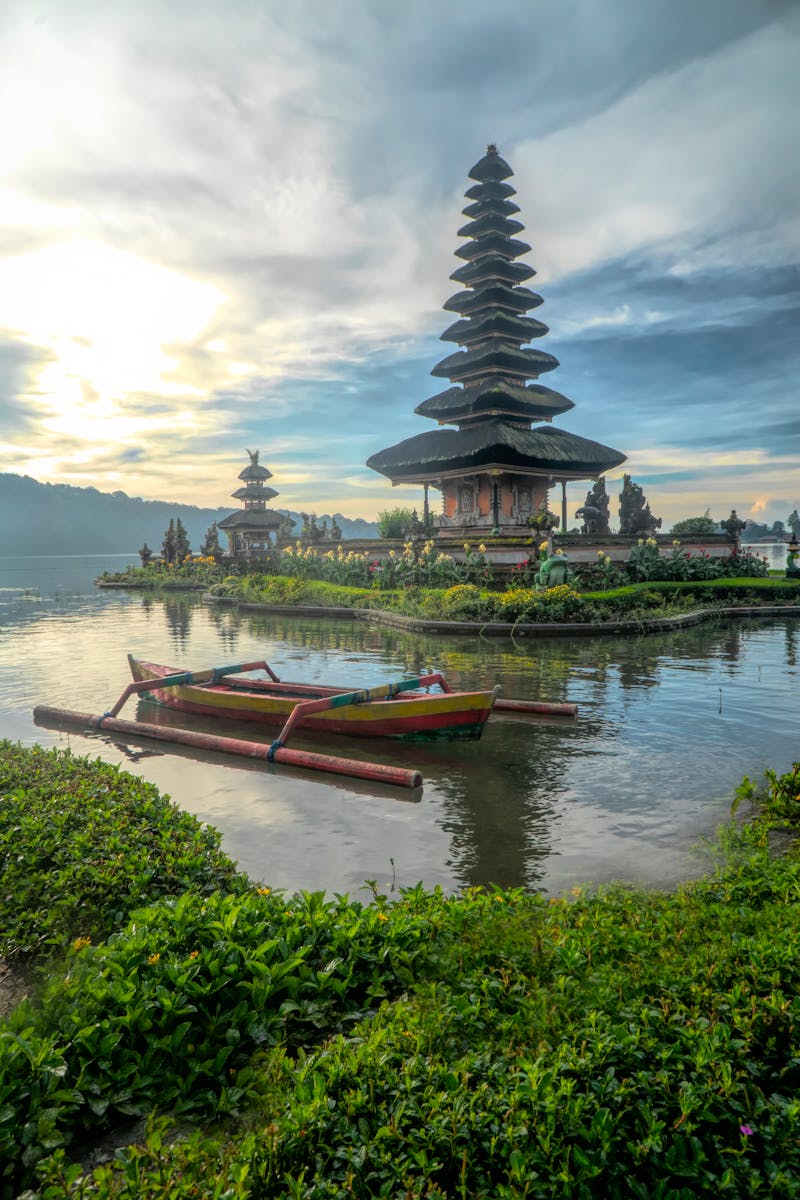
The first thing Bali does is make you wonder why you waited so long. You step out of Ngurah Rai International Airport into air that smells faintly of frangipani and something burning — incense, always incense — and immediately understand that the Indonesian word nyastra (order, harmony) isn't a slogan. It is the organizing principle of everything here. Temple offerings on every doorstep at 6 AM. The gamelan filtering through palm trees at dusk. Rice paddies carved into hillsides with a precision that took generations. In 2026, after years of recalibration, Bali is not just open for visitors — it is extraordinary again.
"Bali doesn't ask you to be a tourist. It asks you to pay attention. The island reveals itself in layers — and every layer changes you."— Wayan Suardika, TravelBuddiz local host, Ubud (13 years guiding)
Why Every Major Travel Publication Named Bali #1 for 2026
It is not one thing. It is the specific coincidence of several things that no other destination on earth has managed to assemble in one place: a landscape of extraordinary variety compressed into an island roughly the size of Bali Bali. You can wake up to surf at Uluwatu, drive two hours north to stand in cloud forest at 1,700 metres, and be watching a thousand-year-old temple ceremony by afternoon. No other island does this.
The deeper reason is cultural density. Bali is the world's only Hindu-majority island within the Muslim-majority Indonesian archipelago, and this singularity has produced a civilization of remarkable creativity and spiritual continuity. There are over 20,000 temples on the island. Daily offerings, called canang sari, are placed at doorways, shrines, and road intersections from before dawn. This is not performance. It is daily practice, and it gives Bali an atmosphere that resists comparison.
Landscape Variety
Beaches, volcanoes, rice paddies, waterfalls, and coral reefs — all within a 2-hour drive of each other.
Living Culture
Hindu ceremonies, gamelan music, Kecak dance, and traditional Balinese art remain embedded in daily life.
Unmatched Value
Private pool villas for ₹3,500/night. Fine dining for ₹1,800. World-class massage for ₹750.
Nomad Infrastructure
200+ coworking spaces, 100+ Mbps connectivity, and a global community of long-term residents.
Genuine Wellness
Not a wellness product — a culture where balance and ceremony are foundations of daily life.
Easy Access
Frequent connections via Singapore, KL, and Bangkok. Visa on Arrival free for 30 days for Indians.
What Has Changed in 2026: A Better, More Intentional Bali
Anyone who visited Bali in 2018 or 2019 remembers the overcrowding. The Tegallalang rice terraces were ringed with selfie stalls. Canggu traffic moved at 4 km/h. The excess had become the story. Bali's government and its local communities used the quieter years to address this decisively, and the results are visible.
The Ngurah Rai Airport expansion — adding a second runway and international pier — now handles direct flights from more Southeast Asian cities without layover chaos. Waste management partnerships with Bali Trash Hero have made the main tourist corridors visibly cleaner. Marine sanctuary protections now cover the coral triangle around Nusa Penida, Lembongan, and Ceningan. The over-tourism era ended. What you find in 2026 is Bali restored — still wildly popular, but managed with intention.
Top Attractions: What You Cannot Miss in Bali
Bali's highlights are well-known for a reason — they are genuinely among the finest experiences in Southeast Asia. But the difference between a tourist visit and a real one is in the timing, the approach, and the company you keep. Here is how to experience each one properly.
Tegallalang Rice Terraces
The island's most iconic landscape. UNESCO-recognized Subak irrigation geometry. Visit at 6 AM before the crowd arrives. Entry: IDR 20,000 (~₹100).
📍 Ubud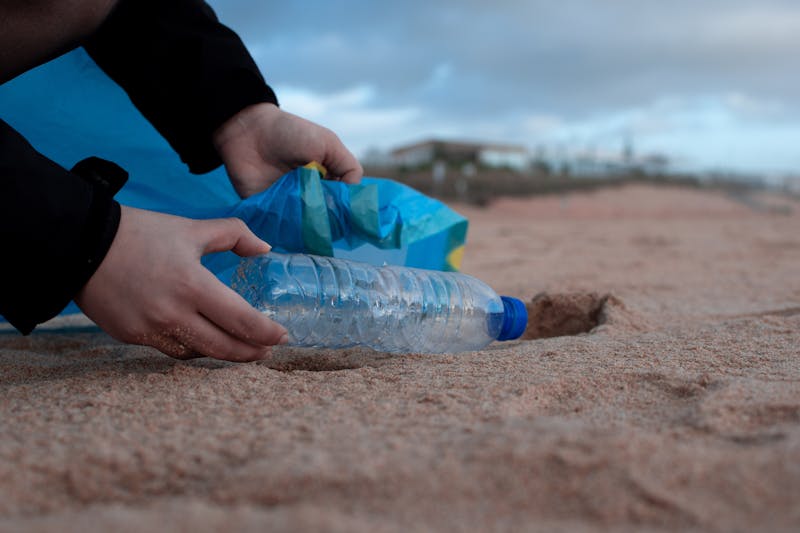
Uluwatu Temple + Kecak Dance
Perched 70 m above the Indian Ocean. The sunset Kecak Fire Dance at 6 PM is one of the most theatrical hours you will ever spend. Arrive at 5 PM for a seat.
📍 Uluwatu
Tirta Empul Water Temple
Built in 962 AD. 30+ holy water fountains for Balinese Hindu purification. Visitors may participate. Bring spare clothes — you will get fully wet. Entry: IDR 50,000 (~₹250).
📍 TampaksiringNusa Penida: The Island That Stops You Mid-Sentence
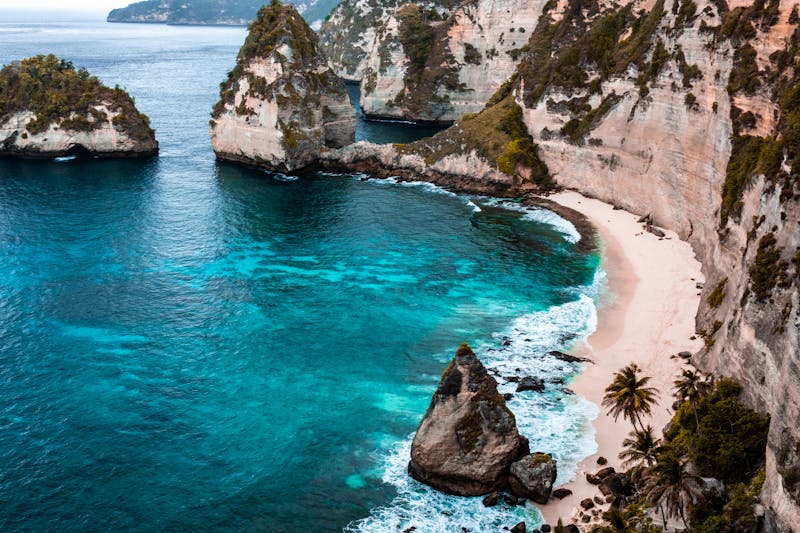
You take the 7 AM fast boat from Sanur. Thirty-five minutes of open water, then a limestone coastline that looks borrowed from a different geological era. Kelingking Beach — the T-Rex cliff — is as dramatic in person as any photograph suggests and then some. Angel's Billabong is a natural infinity pool carved into rock at the ocean's edge. Crystal Bay has manta rays visible from the surface between July and October. No other day trip from a mainland beach destination delivers this combination.
Mount Batur Sunrise Trek
The alarm goes at 2 AM. That is the only hard part. You reach the summit of this 1,717-metre active volcano in time to watch the sky go from black to violet to gold over a perfect crater lake, with Mount Agung — Bali's highest peak and most sacred mountain — rising behind it. The view is extraordinary. Guides and breakfast are arranged at the base; total cost including guide: approximately ₹2,200–3,700 per person. Book through TravelBuddiz hosts for local-rate access.
Bali Itineraries: 7 Days, 14 Days, and 1 Month
7-Day First-Timer Route
-
6:30
Breakfast at Café Vida
Best smoothie bowls in Canggu. Order the dragon fruit bowl and eat on the terrace before the Instagram crowd arrives. You'll have it mostly to yourself at this hour.
-
8:00
Surf Lesson at Batu Bolong Beach
One of Canggu's most consistent beginner breaks. A 2-hour lesson with a local instructor costs ₹2,000–2,500 including board. Most first-timers are standing within 40 minutes.
-
13:00
Lunch at a Warung
Nasi campur (mixed rice plate) at a roadside warung for ₹150–200. This is what Canggu locals eat. The versions at tourist cafes cost 5x more and taste the same.
-
17:00
Sunset at Echo Beach
The black volcanic sand glows orange at sunset. The surf is too heavy for beginners here but worth watching. Order a Bintang at one of the cliff-top warungs and stay until dark.
-
6:00
Tegallalang at Sunrise
The rice terraces at 6 AM look like they were painted. You will have the most dramatic viewpoints almost entirely to yourself. Bring a layer — it's cool at this hour.
-
9:00
Sacred Monkey Forest Sanctuary
750+ long-tailed macaques in jungle with three ancient hidden temples. Don't carry food, loose glasses, or anything dangling. The macaques are quick and precise thieves.
-
14:00
Tirta Empul Purification Temple
Built in 962 AD. Balinese Hindus queue before dawn to bathe under the 30+ holy water spouts. Visitors may participate with full sincerity — or simply witness. Change of clothes essential.
-
19:30
Traditional Kecak Performance, Ubud Palace
Different from Uluwatu — set in the royal palace's open-air stage. The fire and chanting chorus build to something that raises the hair on your arms. Book a day ahead.
Bali as a Digital Nomad Base in 2026
No destination on earth has managed to replicate what Bali has built for remote workers. The infrastructure is mature, the community is enormous, the cost is a fraction of comparable cities in Europe or Australia, and the lifestyle — surfing at 7 AM, working from a garden coworking space by 10 — is genuinely available, not a marketing fantasy.
"I've worked remotely from twelve countries. Bali is the only place I've returned to three times. The community here is unlike anywhere else — you meet people who've chosen this life deliberately, and it changes how you think about what work can look like."— Priya Mehta, product designer and TravelBuddiz community member, 9 months in Canggu
| Factor | Bali 2026 Reality |
|---|---|
| Internet speeds | 50–150 Mbps widely available; fibre in major areas |
| Coworking spaces | 200+ options from ₹375/day; Dojo, Outpost, Bali Bustle among top-rated |
| Co-living monthly cost | ₹30,000–50,000/month all-in |
| Community size | Tens of thousands of active nomads year-round |
| Visa for Indians | 30-day Visa on Arrival (free) + 30-day extension (~₹3,000) |
| Best nomad hubs | Canggu (surf + social), Ubud (culture + quiet), Sanur (steady + family-friendly) |
Indonesia's Directorate General of Immigration introduced a formal Digital Nomad Visa in 2024, allowing stays up to 12 months for qualified remote workers. This is in addition to the standard tourist Visa on Arrival option. For Indian nationals planning extended stays, this is a significant development — consult the official immigration portal for current requirements and fees.
What to Eat in Bali: A Field Guide for Hungry Travelers
Balinese food is not Indonesian food. The island's Hindu tradition, which prohibits beef and historically avoided pork in certain ritual contexts while embracing it in others, has produced a cuisine of particular complexity and ceremony. The babi guling (spit-roasted suckling pig) served at Ibu Oka in Ubud has been famous for decades. But the meals you will remember most are probably the ones you stumble into at a roadside warung at 7 PM, pointed there by a TravelBuddiz local host who knows the owner.
How Much Does a Bali Trip Cost from India in 2026?
Bali's value proposition remains unmatched by any comparable quality destination. These figures are based on TravelBuddiz community data from January–April 2026, reported by Indian travelers with varied budgets and trip durations.
| Category | Budget (₹) | Mid-Range (₹) | Luxury (₹) |
|---|---|---|---|
| Accommodation / night | 600–1,200 (hostel) | 2,500–5,000 (hotel) | 7,500–20,000 (villa) |
| Meals / day | 300–600 (warung) | 800–1,800 (café) | 2,000–4,500 (fine dining) |
| Transport / day | 375–525 (scooter) | 1,500–2,500 (driver) | 3,000–5,000 (private car) |
| Activities / day | 500–1,500 | 1,500–3,500 | 4,000–8,000 |
| Weekly Total | ₹18,000–26,000 | ₹37,000–52,000 | ₹75,000–1,12,000 |
| One-Time Costs | Approximate Cost (₹) |
|---|---|
| Return flights from Delhi (via Singapore/KL) | 18,000–35,000 |
| Travel insurance (7 days) | 800–1,500 |
| Visa on Arrival (free for 30 days) | 0 (extension: ~₹3,000) |
| Total for 7-day mid-range trip | ~₹70,000–95,000 per person |
🎯 Insider Tips from TravelBuddiz Hosts
For temple visits: Always carry a sarong in your bag. Most major temples provide rental sarongs at the gate (~IDR 10,000) but you will queue. Your own saves time and gets you in faster.
For airport arrivals: Skip the taxi touts at the arrival hall. Exit the building, turn right, and walk 100 metres to the official taxi counter. Or pre-book a Grab from outside the no-Grab zone just beyond the exit doors.
For avoiding crowds: Every major site (Tegallalang, Tirta Empul, Monkey Forest) is half as busy before 8 AM. Wake up one hour earlier than you planned to and you will have the Bali everyone photographs but rarely gets to experience.
For Nusa Penida: Book your fast boat return before midday on the island. The 4 PM last boat fills up. Miss it and you are staying overnight (which, admittedly, is also a reasonable outcome — the island is extraordinary).
For hidden Bali: Tell your TravelBuddiz host you want to visit a banjar (village community hall) ceremony. These are not tourist events — they are Balinese community life. With the right introduction, you can attend one and understand more about Bali in two hours than in two weeks of temple hopping.
📋 Bali Essentials Checklist
Frequently Asked Questions About Visiting Bali in 2026
Bali is Waiting — and 2026 is the Right Time
Every great journey begins with one decision. Bali in 2026 is calmer, more sustainable, more accessible, and more extraordinary than it has been in years. The island rewards people who pay attention to it — and TravelBuddiz exists to connect you with the local knowledge that makes the difference between a holiday and a memory that doesn't leave you.
Explore Bali Trips with Local Hosts →