There is a specific moment every mountain traveler knows. The one where the road crests a ridge you couldn't see over, and the valley below simply stops being what you expected. No photo prepares you for the scale of the Spiti Valley, the blue of Pangong Lake, or the wall of mist rolling up the Meghalaya hills at 7 AM. In 2026, India's mountains are experiencing a travel renaissance — more people understanding that these landscapes are not backdrops but destinations in themselves, with culture, cuisine, and community as layered as the geology beneath them. This guide is for those people.
"Every mountain in India tells a different story. Ladakh is humbling. Spiti is ancient. Meghalaya is alive. The traveler who thinks they know India's mountains after one visit has only read the cover."— Tenzin Norbu, TravelBuddiz mountain host, Mcleodganj (11 years guiding)
Mcleodganj
The smell of Tibetan incense reaches you before the monastery does. Mcleodganj — "Little Lhasa" — is the home of His Holiness the 14th Dalai Lama and the seat of the Tibetan Government in Exile. But it is also something rarer: a place where geopolitical tragedy has produced an extraordinary cultural flowering. Tibetan and Indian cultures do not merely coexist here — they have fused into something entirely their own, expressed through food, music, philosophy, and the particular warmth of a community that has learned to rebuild itself far from home.
The Triund Trek (9 km, moderate, 2,828 m) gives you the Dhauladhar ridge above the clouds in a single day. The Namgyal Monastery complex is one of the most important Tibetan Buddhist sites outside Tibet. And the concentration of genuine Tibetan restaurants, thangka galleries, and meditation centres makes Mcleodganj one of the most culturally rich days-per-square-kilometre destinations in India.

Ladakh
Ladakh is not a holiday destination. It is a reckoning. The landscape is so stark, so implausibly vast, and so utterly indifferent to human scale that it forces a kind of mental recalibration most people do not expect from a travel itinerary. The blue of Pangong Lake at altitude, at dawn, with no one else in sight — that is not a photograph that scales. It is an experience that stays in the body.
The road to Khardung La at 5,359 metres — one of the world's highest motorable passes — is a rite of passage for Indian bikers. But Ladakh is not only for the physically adventurous. The monastery circuit (Hemis, Thiksey, Diskit) offers some of the finest Tibetan Buddhist art accessible to any visitor. Nubra Valley's sand dunes and double-humped Bactrian camels are the kind of geographical absurdity that only high-altitude desert produces. Book TravelBuddiz hosts for off-permit routes that most agencies don't offer.
Spiti Valley
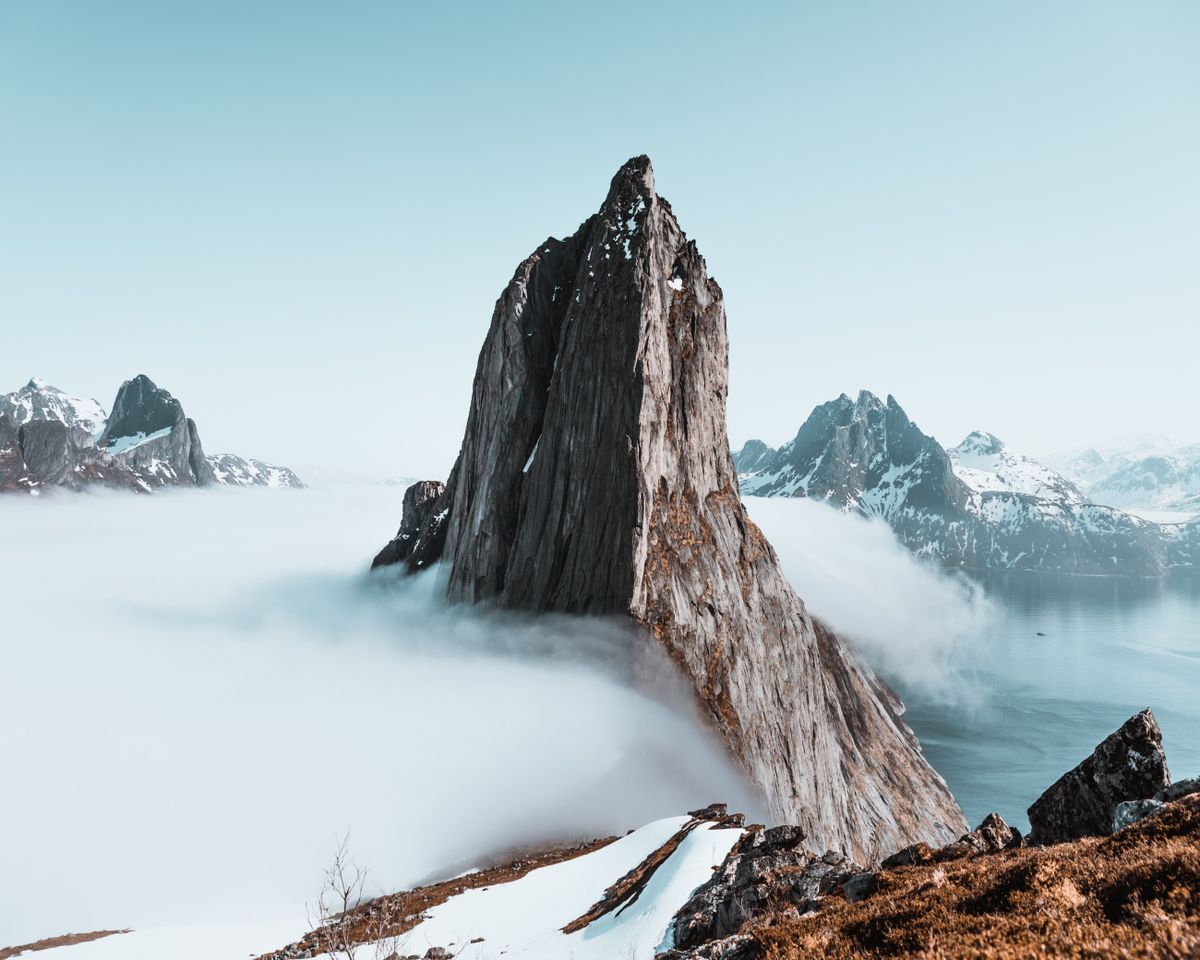
Spiti means "The Middle Land" — wedged between the Indian Himalayas and Tibet, accessible by two roads (one from Shimla, one from Manali) that close for most of the year under snow. This inaccessibility is not a drawback. It is the preservation mechanism that keeps Spiti feeling like a place where the 11th century is still alive in the architecture, the agriculture, and the pace of daily life.
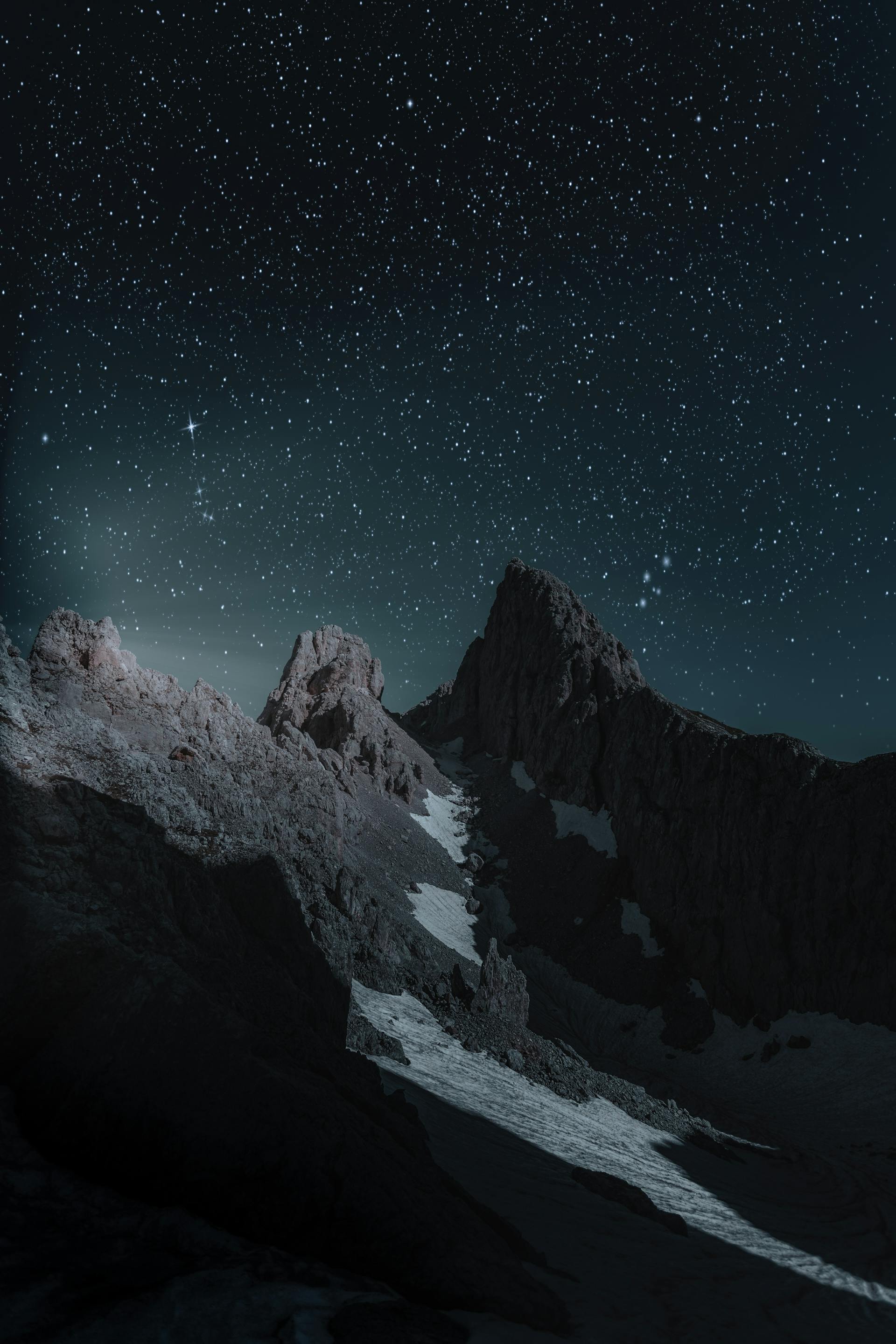
Key Monastery — perched on a 4,166-metre hilltop above the Spiti River — is the visual icon of the valley and one of India's great photographic subjects at any hour of the day. The village of Langza (the fossil village) sits at 4,400 metres and has marine fossils from when this was the floor of the Tethys Sea. The sky at Kaza on a clear night — no light pollution for 100 kilometres in any direction — is one of India's premier stargazing sites. Spiti is not for those who need options and comfort. It is for those who know exactly what they are looking for.
Coorg (Kodagu)
Not every mountain destination requires altitude sickness and a permit. Coorg — Kodagu district in Karnataka — sits in the Western Ghats at a gentler 900–1,525 metres and produces a landscape of rolling green that is as beautiful in its own way as anything the Himalayas offer. The endless coffee and cardamom plantations create a fragrant, verdant world that rewards slow exploration and long mornings doing very little.
The Dubare Elephant Camp on the Kaveri River is one of Karnataka's finest wildlife experiences. Abbey Falls, tucked into a coffee estate, drops 70 metres through a curtain of mist. Raja's Seat — a modest garden above Madikeri — frames one of the finest sunset views in the Western Ghats with the kind of quietude that comes from a place that hasn't discovered its own Instagram appeal. Stay in a coffee estate homestay and wake up to the smell of the morning harvest — it is one of the most underrated experiences in Indian travel.

Gulmarg
The name means "Meadow of Flowers." In January, that meadow is buried under three metres of snow and Gulmarg becomes something entirely different — India's finest ski destination, home to the Gulmarg Gondola, one of the world's highest cable cars at 3,980 metres. The ski runs on Apharwat Peak draw serious powder riders from across Asia, and the views from the top — Nanga Parbat, the Karakoram, Kashmir Valley spread below — constitute one of the finest mountain panoramas in South Asia.
What fewer visitors know is that Gulmarg in summer (May–September) is equally extraordinary: the meadow returns, wildflowers cover every slope, and the golf course (one of the world's highest) operates at its best. The frozen Alpather Lake, only 13 km from the gondola top, offers an easy high-altitude walk that rewards with an almost surreal stillness. Gulmarg works in both seasons — the trick is knowing which you are going for.
Meghalaya
Meghalaya receives more rainfall than almost anywhere else on earth. This is not an inconvenience. It is the operating principle of an ecosystem so dense, so alive, and so architecturally extraordinary that the Khasi people built their bridges not from wood or stone but from the aerial roots of rubber fig trees, trained over generations into structures strong enough to carry dozens of people. The Double Decker Living Root Bridge of Nongriat — a 3,000-step descent from the road above — is one of the most remarkable things you can see in India.
But Meghalaya is more than that single photograph. The Umngot River at Dawki is so clear that boats appear to float on glass. Mawsmai Cave in Cherrapunji takes you through cathedral-scale limestone formations. And the village of Mawlynnong — once declared Asia's cleanest — demonstrates what community conservation actually looks like when it emerges from culture rather than policy. Find TravelBuddiz local hosts for access to community-run experiences across the Khasi Hills.
Manali
Manali never goes out of style because it never tries to be anything other than what it is: a mountain town that gives everyone what they came for. The backpacker who wants cheap food and a dorm bed in Old Manali's wooden-house lanes. The family that wants snow at Solang Valley without a serious trek. The adventure seeker who wants to paraglide, river raft, and drive to Rohtang before breakfast. The traveler using it as a launch pad for Lahaul, Spiti, or Ladakh via the Atal Tunnel. Manali absorbs all of them without losing its character.
Old Manali — the village above the main town — has preserved something genuinely warm in its café culture, its Hadimba Devi temple set in an old-growth deodar forest, and its network of lanes that reward wandering without a phone. Solang Valley in winter is a proper snow playground — zorbing, snow biking, and ski school for beginners. And the drive to Rohtang Pass at 3,978 metres, through snowfields that linger into May, remains one of Himachal's most extraordinary day trips. For customised adventure itineraries, TravelBuddiz hosts in Manali offer access to routes most agencies don't know exist.
Munnar
The tea gardens of Munnar at dawn, when the mist is still rolling between the rows and the pickers have just started work, create a particular kind of beauty that is entirely Indian and entirely unlike anything the Himalayas offer. Munnar is not dramatic. It is quietly extraordinary — the cumulative effect of thousands of acres of precisely maintained Camellia sinensis, the cool 1,600-metre air, and a wildlife sanctuary that shelters the Nilgiri Tahr (Indian mountain goat) and the remarkable Neelakurinji shrub that blooms once every 12 years, coating the hillsides in purple.
The Eravikulam National Park — home to one of India's highest tahr populations — offers morning walks at the treeline with views down across the entire Kerala coastal plain. Anamudi Peak at 2,695 metres is South India's highest mountain, accessible via guided trek. And the KTDC Tea Museum at Nallathanni Estate traces the history of Munnar's tea industry with genuine depth. This is the mountain destination for those who have had enough of altitude and adventure and want, for a few days, to simply be somewhere beautiful.
Comparing India's Top Mountain Destinations
| Destination | Best Time | Altitude | Primary Vibe | Key Highlight |
|---|---|---|---|---|
| Mcleodganj | Mar–Jun, Sep–Nov | 1,457 m | Spiritual, cozy | Triund Trek + Tibetan culture |
| Ladakh | Jun–Sep | 3,500 m+ | Arid, vast, humbling | Pangong Lake, Khardung La |
| Spiti Valley | Jun–Sep | 3,800 m+ | Remote, ancient | Key Monastery, Langza fossils |
| Coorg | Oct–Mar | 900–1,525 m | Lush, fragrant | Coffee plantation homestays |
| Gulmarg | Dec–Feb (ski) | 2,650 m | Snowy, regal | Gondola + Apharwat Peak |
| Meghalaya | Oct–Apr | 1,496 m | Mystical, tropical | Double Decker Root Bridge |
| Manali | Mar–Jun, Sep–Nov | 2,050 m | Energetic, diverse | Rohtang Pass, Solang Valley |
| Munnar | Sep–Mar | 1,600 m | Serene, green | Tea gardens + Eravikulam NP |
Essential Travel Tips for Mountain Lovers in India 2026
Acclimatize Seriously
For Ladakh and Spiti above 3,500 m — 48–72 hours rest before exertion. No exceptions. More trips are ruined here than anywhere.
Travel Sustainably
Mountain ecosystems are fragile. Zero single-use plastic, support local homestays, and stay on marked trails — the Himalayas record this damage for centuries.
Find Your Mountain Tribe
Solo mountain travel is extraordinary. Group travel is safer, more affordable, and more fun in remote high-altitude areas where logistics multiply.
Plan for Offline
Mobile connectivity fails across large sections of Spiti, Ladakh, and northeast India. Download maps, permits, and bookings before you leave the last town.
🎯 Insider Mountain Travel Tips from TravelBuddiz Hosts
The Shimla–Kaza road over Khab confluence is the correct route into Spiti. The Manali–Kunzum La route is more dramatic but opens later (July usually) and is harder on vehicles. If you want steady improvement in landscapes rather than sudden altitude gain, go Shimla first. The road through the Sutlej gorge and past Nako is genuinely extraordinary.
For Ladakh, fly in and drive out — never the reverse. Flying to Leh and acclimatizing for 3 days, then driving back through Manali via Sarchu and Baralacha La, gives you the best of both worlds: a safe altitude adjustment and the greatest road trip in India as your farewell.
The Double Decker Root Bridge in Meghalaya takes 4–5 hours return. The 3,000+ steps are real, the humidity is real, and most people underestimate the return climb. Start by 7 AM, carry water and snacks, and book a homestay in Nongriat village to stay overnight — the bridge at dusk with no day-trippers is a completely different experience.
Coorg's best accommodation is in coffee estates, not in Madikeri town. A plantation stay at Dubare, Virajpet, or along the Kaveri places you inside the landscape rather than adjacent to it. Most are family-run, include meals, and cost less than mid-range town hotels.
Munnar at dawn is a different planet from Munnar at midday. The tea pickers start at 6 AM. The mist is at its thickest between 6 and 8 AM. By 10 AM the tour buses have arrived from Kochi. Be on the plantations early — it takes one morning to understand why people return to Munnar.
Frequently Asked Questions About Mountain Travel in India
The Mountains Are Waiting — Go While They're Still This Good
India's mountain destinations in 2026 are at a crossroads between discovery and over-tourism. The places in this guide are still extraordinary — but they reward travelers who go with local knowledge, small groups, and genuine respect for what they're entering. TravelBuddiz connects you to both.
Find Mountain Trips with Local Hosts → Meet Verified Mountain Hosts