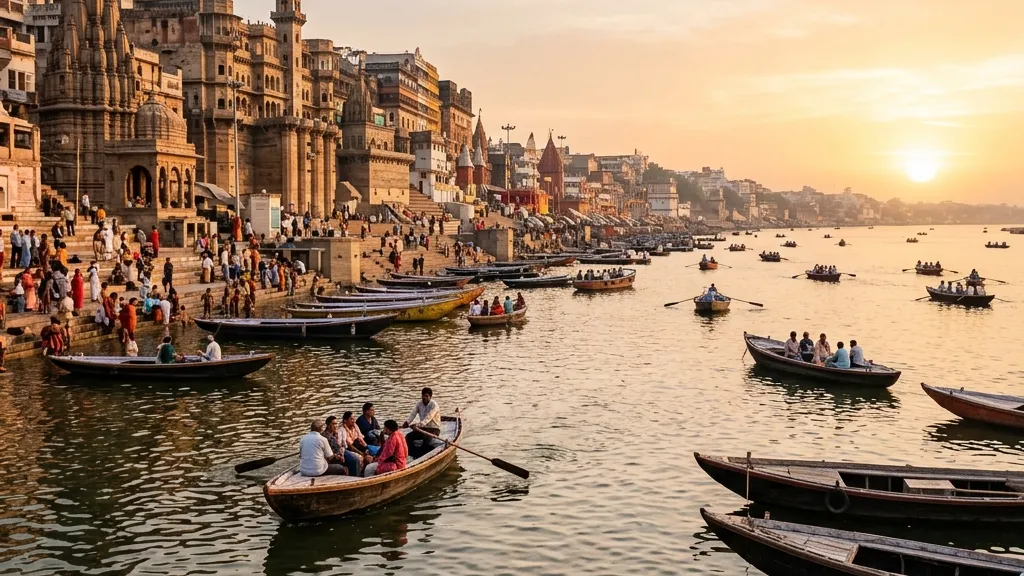
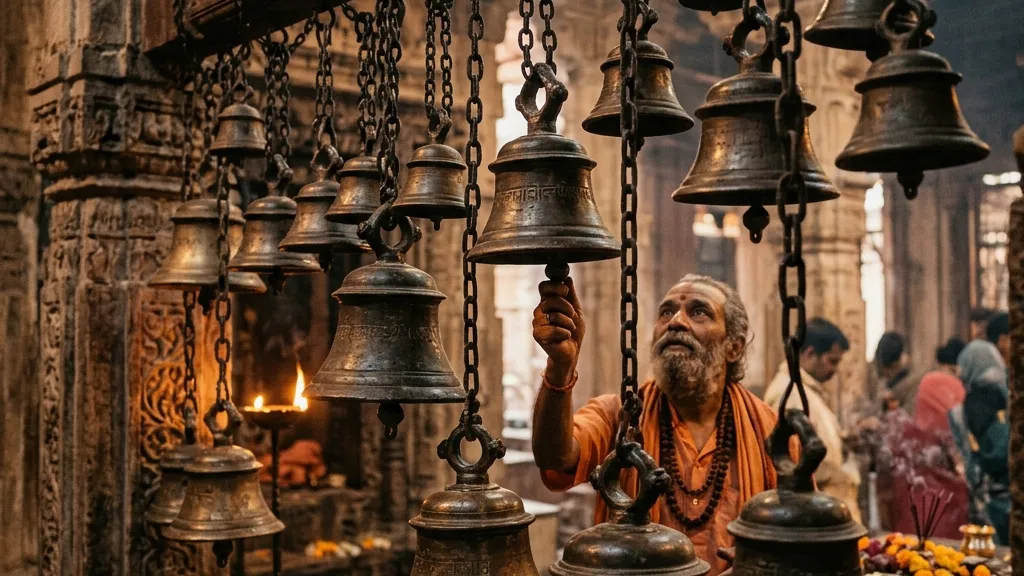
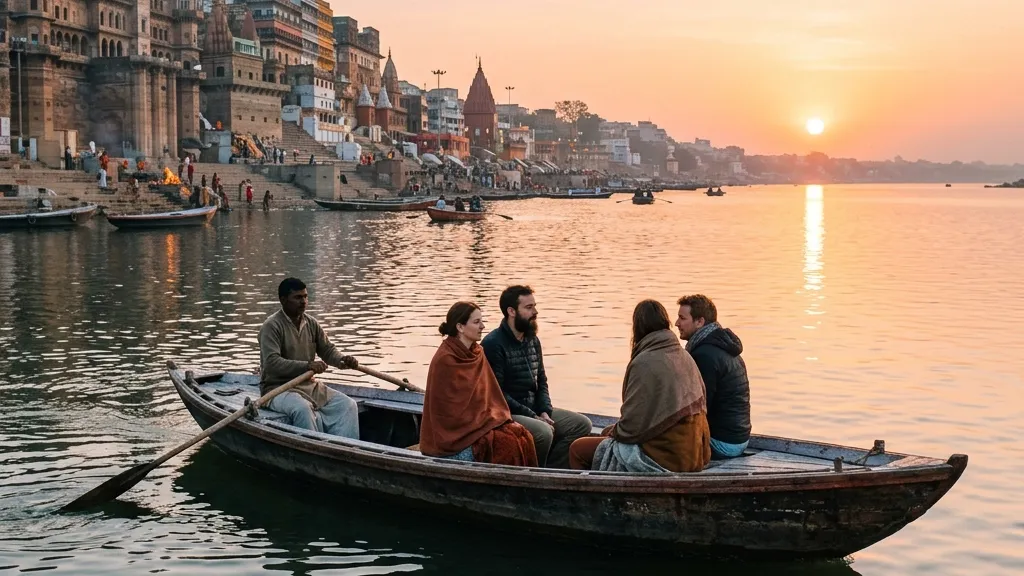
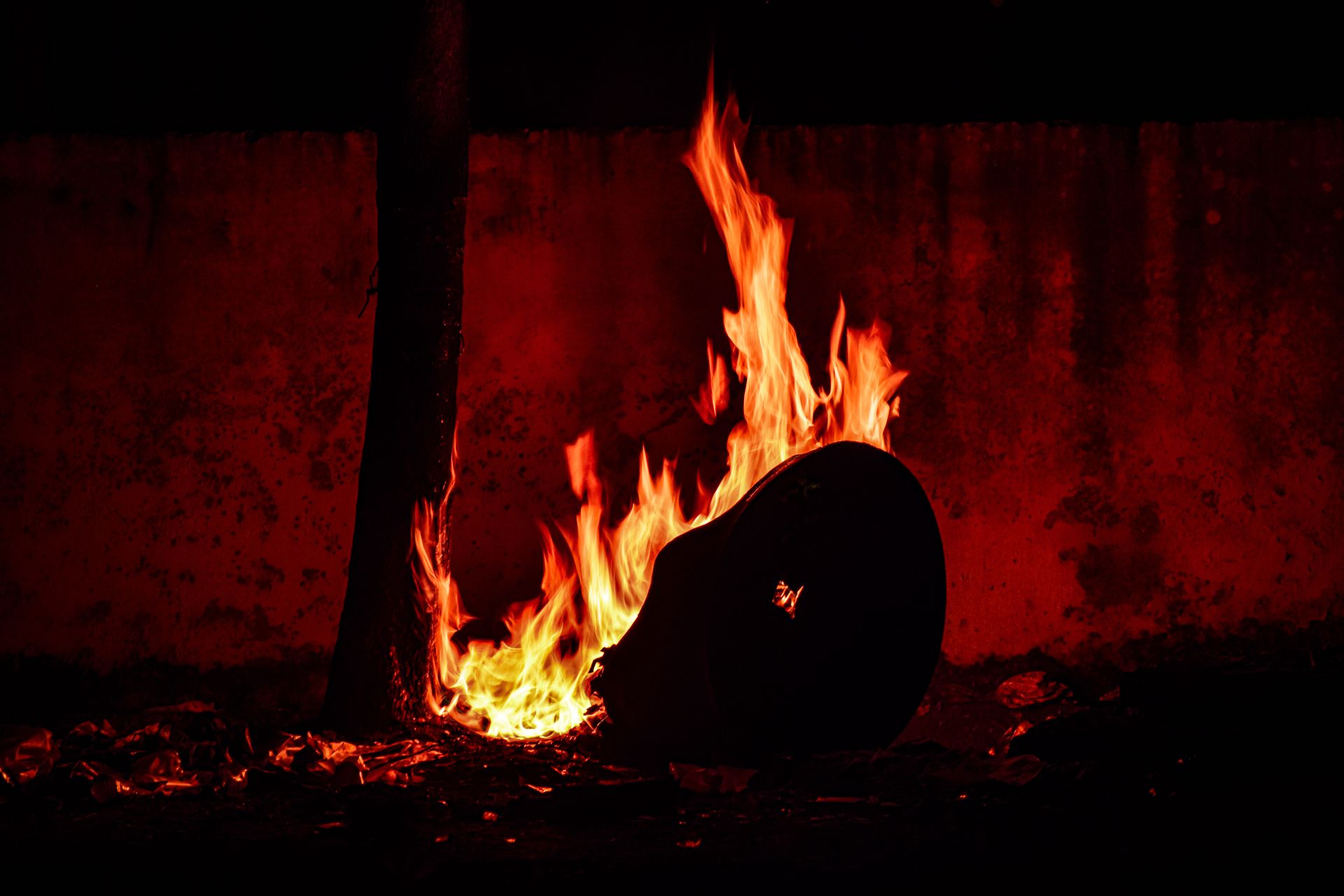
The first thing you notice about Varanasi at 4:30 AM isn't the light. It's the sound of the silence breaking. It starts with a distant, rhythmic chanting — a low hum that vibrates through the damp stone walls of the galis, carrying the accumulated prayers of three thousand years. Then the bells begin, and by the time the river comes into view, pale and enormous in the pre-dawn dark, you understand why people have been walking here barefoot from every corner of the subcontinent since before the Mahabharata was written.
Varanasi — Kashi to those who love her — is a city that refuses to be summarized. Every guide that has ever been written about this place has failed in the same way: by making it sound manageable. It isn't. It is deliberately, joyfully overwhelming. This guide won't pretend otherwise. What it will do is give you a map for the overwhelm — a framework for the chaos, written by people who have spent enough time here to understand where the city keeps its soul.
"Varanasi doesn't just invite you in; it challenges your senses, strips your assumptions, and rewards your patience with experiences that have no price tag."
Photo: Srivatsan Balaji / Unsplash · Varanasi ghats at sunrisePhoto: Frank Holleman / Unsplash · Pilgrims on the GangaPhoto: Ravi Sharma / Unsplash · Old city lane, Varanasi (Jan 2023)
To walk the alleys of Varanasi is to enter a living, medieval circulatory system. One moment you are in a lane so narrow that two people can barely pass each other. The next, the path opens into a hidden courtyard where a thousand-year-old peepal tree provides shade to a vermillion-covered shrine that has never once been empty of flowers.
Getting lost here is not a mistake. It is a ritual. Every turn is a sensory gauntlet: the loud rhythmic hammering of brass workers in Thatheri Bazaar, the flash of glass bangles in Vishwanath Gali, the overwhelming sweetness of incense near any major temple entrance. This is where the city's heart beats, away from the wide-angle views of the river.
Photo: Vizag Explore / Unsplash · Varanasi riverfront, Nov 2025Photo: Ravi Sharma / Unsplash · Old city gali, Varanasi (Jan 2023)
In 2026, the Kashi Vishwanath Corridor has brought open space around the temple complex, but do not let that fool you. Step one lane off any main corridor and you are back in the same medieval city that Mark Twain wrote about in 1896. The soul still resides in the shadows of the old lanes.
The true secret to reading Varanasi is its verticality. Don't only walk along the river — look up. The rooftop cafes of the northern ghats offer a perspective that the crowds below never see. From a height, the city reveals its actual structure: a dense, seemingly chaotic grid that somehow, impossibly, makes complete sense.
The Route to the Heart of Kashi: A Ghats Guide
Navigating the 84 ghats of Varanasi is like reading a history book where the pages are made of stone. Each ghat has a distinct character, a distinct crowd, a distinct smell at different times of day. Here are the ones that matter most.
Start Here
Assi Ghat
The southernmost major ghat and the intellectual hub of Varanasi. Students from Banaras Hindu University gather here every morning for the Subah-e-Banaras — a classical music performance at sunrise that is free, unhurried, and utterly unlike anything else in India.
📍 Southernmost ghat · Best for: sunrise ritual, first morning
Evening Aarti
Dashashwamedh Ghat
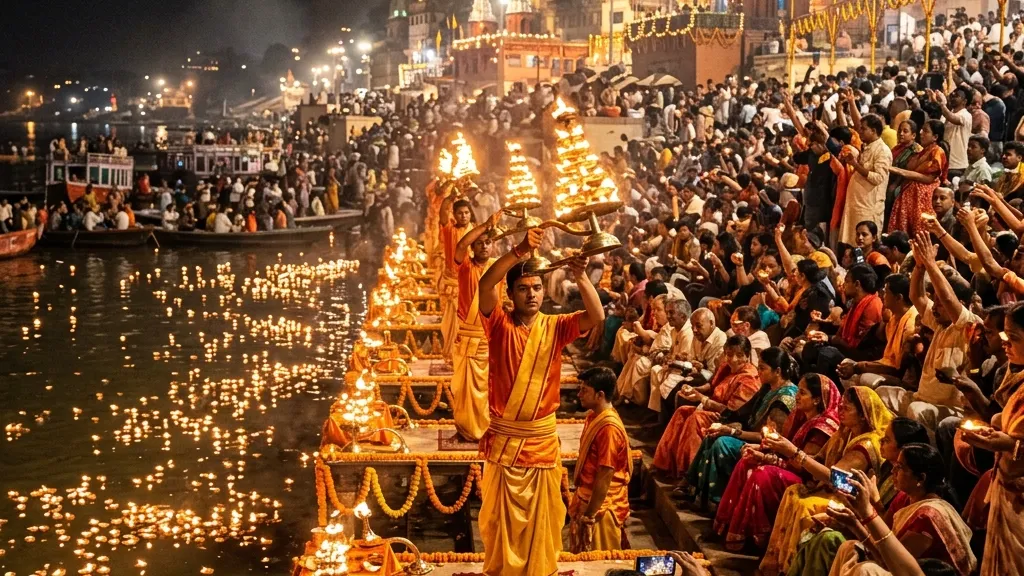
The main ghat and the site of the nightly Ganga Aarti — seven priests, seven massive brass lamps, and the full visual and acoustic force of Hindu ceremonial tradition. Arrive by 5:30 PM to claim your spot on the stone steps. Free to watch. Entry fee: ₹0.
📍 Central ghat · Aarti: 6:00–7:00 PM daily
Sacred Ground
Manikarnika Ghat
The burning ghat. Active 24 hours, year-round, since before recorded memory. The Dom community manages the eternal fire. Approach in absolute silence, with absolute respect. No photography, ever. You will understand something here that no sentence has ever successfully contained.
📍 Northern ghats · Protocol: no photos · Best: 4–6 AM
The Complete 84-Ghat Walk: North to South Route
The 5.5 km walk from Raj Ghat in the north to Assi Ghat in the south is the single best introduction to Varanasi that exists. Budget 3 hours. Do it at dawn, walking south to north so the rising sun is behind you. Stop at each ghat for five minutes. You will not regret it.
1
Assi Ghat
Begin at 5 AM. Watch the Subah-e-Banaras musicians if it's running (check notice boards the evening before). Have kulhad chai at the stall by the banyan tree. ₹15.
Start · 5:00 AM
2
Tulsi, Shivala & Janki Ghats
Quieter residential ghats, often completely tourist-free. Locals do morning yoga here. The light on the water between these ghats at 5:45 AM is extraordinary.
5:30–6:00 AM
3
Kedar Ghat
One of the oldest ghats. The deep red and white striped Kedareshwar Temple sits directly above the water. Stop here when the first direct sunlight hits the opposite (Ramnagar) bank across the river.
6:00 AM · Sunrise stop
4
Dashashwamedh Ghat
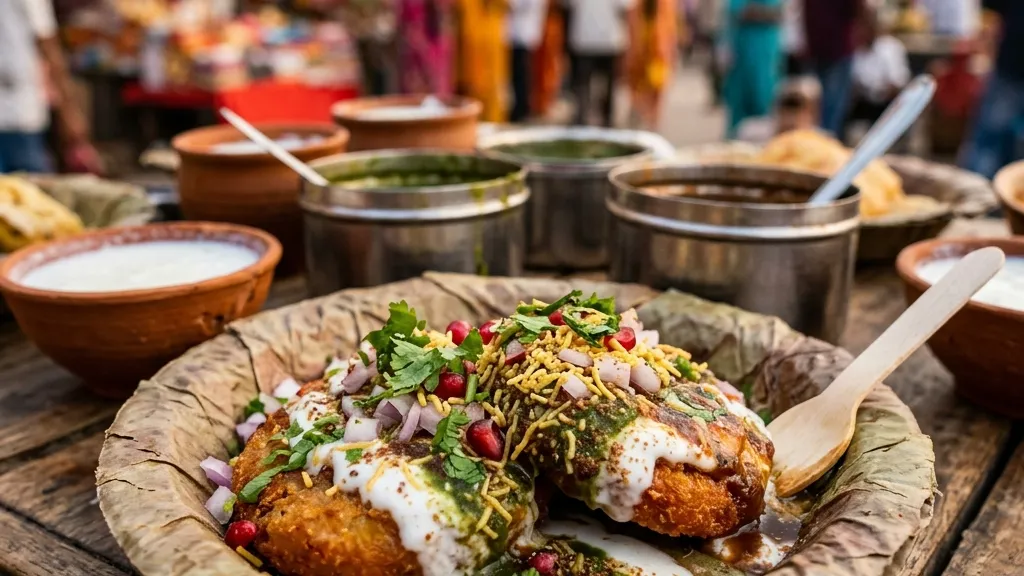
At this hour the aarti is over and the ghat belongs to the bathers, the chai stalls, and the flower sellers. Best kachori breakfast stall is 40 metres into the lane behind the ghat.
6:45 AM · Breakfast stop
5
Manikarnika Ghat
Approach with respect. Stand back. Stay as long as feels right. Leave quietly. Do not accept the guided tour offer.
7:30 AM · Sacred ground
Your 5-Day Kashi Itinerary
To help you structure your journey through this timeless city, we've crafted a detailed 5-day itinerary. It covers the essential ghats, the best timings for rituals, unmissable food spots, and practical tips to navigate Kashi like an insider. Download it for free and carry the soul of Varanasi with you.
The Ganga Aarti: A Complete Guide to Watching It Right
The Ganga Aarti at Dashashwamedh Ghat is the most photographed ritual in India and, somehow, still manages to transcend its own fame. Seven Brahmin priests, dressed in silk, stand on raised platforms facing the river. They lift brass lamps that contain a dozen oil wicks each, and begin moving them in synchronized, clockwise arcs to the sound of conch shells, cymbals, and a chant that has been performed at this spot for at least four centuries.
Photo: ARTO SURAJ (@artosuraj) / Unsplash · Ganga Aarti, Dashashwamedh Ghat, Varanasi — Oct 2024
· View original on Unsplash ↗
🕔
Timing
Aarti begins at 6:00 PM (earlier in winter, later in summer). Arrive by 5:30 PM minimum. The best spots on the steps fill by 5:45 PM.
📍
Where to Stand
On the stone steps, as high as possible and directly in front of the central platform. Avoid the boat crowd — you will be ten metres closer for free.
⛵
Boat or Steps?
Steps. Boats cost ₹150–300, put you 40m away, and surround you with phones. The standing view is louder, closer, and more honest.
💰
Cost
Completely free from the ghat steps. There is no entry fee for the aarti itself. Ignore anyone who tells you otherwise.
Photo: Diwakar Singh / Unsplash · Ganga Aarti at Assi Ghat, Apr 2024Photo: Frank Holleman / Unsplash · Morning prayers, Varanasi ghats
The Assi Ghat also holds a smaller daily aarti at the same time, which is far less crowded and more intimate. If you have been to the main Dashashwamedh aarti before, the Assi version is the one that will stay with you — quieter, the priests genuinely focused, the crowd mostly local.
The Alchemy of Banarasi Food
Banarasi cuisine is one of India's most coherent and underrated regional food cultures. It is deeply Brahmin in tradition — pure vegetarian, generous with ghee, complex with spices — and almost entirely impossible to find replicated elsewhere. The city's best food is not in restaurants. It is at stalls in the lanes behind the ghats, at windows that open at 5 AM and close by 11.
Tamatar Chaat
Kashi Chat Bhandar · ₹40–60
Hot mashed tomatoes, spiced chickpeas, a secret cumin-ginger syrup, topped with sev and coriander. This is the dish Varanasi is most proud of. Kashi Chat Bhandar, near Godowlia chowk, has been refining the recipe for over 60 years.
Kachori-Sabzi
Old city lanes · ₹30–50
Deep-fried lentil pastry with spiced potato-pea curry. The definitive Banarasi breakfast. Served from 5 AM at stalls near the Kashi Vishwanath corridor. Two kachoris and a bowl of sabzi will fuel you through a full 4-hour ghat walk.
Blue Lassi
Near Manikarnika · ₹80–120
Thick, creamy yogurt drinks topped with fresh mango, pomegranate, or rose petals — served in clay pots at a tiny shop that has operated from the same window near Manikarnika Ghat since 1925. The mango version in summer is transcendent.
Rule of thumb: Never eat at a restaurant with a direct river view and a plastic-laminated menu in four languages. These establishments price for tourists, not for flavour. Walk one lane back from any major ghat and the quality immediately triples and the price halves.
The Master's Rituals: How to Do Varanasi Properly
RitualThe Seven Practices That Define a True Kashi Visit
Ritual 01
The 4 AM Vigil
Set your alarm for 4:15 AM. The city is most honest between 4 and 6 AM — the priests are genuinely praying, not performing for cameras. The first boat on the water leaves around 4:45. The silence before the bells begin is something you carry with you for years.
Ritual 02
The Subah-e-Banaras
The dawn classical music programme at Assi Ghat runs from 5 AM to 7 AM. It is free, it is attended mostly by locals, and the quality varies from student performance to something that will make you sit down on a stone step and not move for forty minutes.
Ritual 03
The Kachori Breakfast
Eat breakfast at a stall in the lanes, not at your guesthouse. Specifically: order kachori-sabzi at any non-laminated-menu stall near the Kashi Vishwanath area between 6 and 8 AM. Budget ₹50. Time required: 20 minutes of your highest alertness.
Ritual 04
Silence at Manikarnika
Visit the burning ghat. Respect it: no photographs, no guided tours, no selfies. Simply stand, watch, and understand at whatever level you are capable of understanding. The Dom community manages one of the most profound public spaces on earth. Treat it accordingly.
Ritual 05
Get Thoroughly Lost
Put your phone in your pocket, pick a lane at random from any ghat, and walk. Don't consult a map for 90 minutes. The city is not dangerous; it is designed to be explored. You will emerge somewhere, eventually. It will be exactly the right place.
Ritual 06
The Evening Aarti (From the Steps)
Arrive at Dashashwamedh at 5:30 PM, find the highest available step directly in front of the central priest's platform, and sit. Do not take a boat. When the lamps rise at 6 PM, you are ten metres from the flame and the bell will hit you in the chest. This is the version that changes people.
Ritual 07
The Meetha Paan Conclusion
End each evening with a meetha paan — sweet betel leaf stuffed with gulkand (rose petal preserve), fennel, and coconut. The definitive Banarasi digestive ritual. ₹20. Find the paan shop with the longest local queue; that is always the right one.
Practical Information for 2026
🚂
Getting There
Train via IRCTC is best. Varanasi Junction (BSB) is the main station. From Delhi: Vibhuti/Poorva Express, overnight, ₹350–450 sleeper. Airport: Lal Bahadur Shastri (VNS), 26 km from city.
🛏️
Where to Stay
Assi Ghat for budget (₹250–950). Godowlia area for central access. Avoid first-night bookings on the main Dashashwamedh road — overpriced and noisy.
🌡️
Best Season
October–March (15–25°C). November for Dev Deepawali — a hundred thousand lamps on the ghats simultaneously. Avoid May–June (45°C+).
🏛️
Sarnath
13 km north. Where the Buddha gave his first sermon, 528 BCE. Archaeological museum: ₹30 (Indians). Dhamek Stupa site: ₹40. Take the shared auto from Varanasi Cantonment: ₹30. Visit before 9 AM for the best light.
Photo: ARTO SURAJ (@artosuraj) / Unsplash · Sarnath temple complex, Varanasi (Apr 2022)
· View original ↗
⚡ Pro Tips From People Who've Lived Here
→
The silk scam is active in 2026. If a friendly stranger offers to take you to his uncle's weaving room "just to see," politely decline. Buy silk on Vishwanath Gali where prices are marked and you can comparison-shop. A genuine Banarasi silk saree starts at ₹2,500 for silk-cotton blends.
→
Never negotiate at the ghat steps for boats. Walk 100m back from the river to the boat-owner families' quarter and negotiate directly. Same boat, same water, 40% less money.
→
The new Vishwanath Corridor changes the experience. The 2022–24 development cleared a large area around the Kashi Vishwanath temple. You can now see it from the Ganga for the first time in centuries. Non-Hindus cannot enter the inner sanctum but the exterior is extraordinary.
→
Malaiyo is a winter-only food. Available October–February only, before 8 AM only, at stalls near Thatheri Bazaar. Cold-whipped milk froth with saffron and cardamom — it melts before the morning is over. If you are in Varanasi in season and you miss it, that is the thing you will regret.
→
Book Dev Deepawali accommodation three months in advance. The full moon of Kartik (usually November) brings 100,000 oil lamps to the ghats simultaneously. Even dorm prices triple. The experience is worth every rupee of ₹500–600 for a basic room that week.
Travel Varanasi with a Verified Local Host
Every host KYC-verified. Payment protected by escrow. No anonymous listings, no surprises.
Closed-toe shoes or sandals you can wash — the ghat steps and lanes are perpetually damp. Your footwear will need cleaning daily.
✓
A light cotton dupatta or stole — for temple entry, sun protection, and modesty in the old city. Buys you significant goodwill.
✓
Offline maps (Maps.me or OsmAnd) — the old city lanes are a genuine labyrinth and data is patchy in the densest galis.
✓
ORS / Electral sachets — even in cool months, the walking distances are significant. Dehydration hits quietly.
✓
Small denomination notes — street stalls cannot break ₹500. Have plenty of ₹10–50 notes at all times.
✓
A headlamp or torch — for the pre-dawn ghat walk, the narrow lanes are genuinely unlit before 5 AM.
Frequently Asked Questions
October to March is the ideal window — cool weather (15–25°C), stable river levels, and November brings Dev Deepawali, when a hundred thousand lamps light the full ghat strip simultaneously. Within a day, the best time to be at the ghats is 4:30–6:30 AM for sunrise and 5:30–7:00 PM for the evening aarti. Avoid May–June when temperatures exceed 45°C.
Arrive at Dashashwamedh Ghat by 5:30 PM and take a position on the stone steps as high as possible and directly in front of the main priest's platform. The standing view is completely free, ten metres from the ceremony, and louder than any boat position. Boat rides (₹150–300) put you farther away with a crowd of phones around you. The steps are the better choice by every measure.
Yes, absolutely — but strict protocol applies. Never photograph the pyres or the mourners under any circumstances. Do not accept 'guided tours' from strangers near the ghat; they request money at the end and trivialize the space. Stand quietly to the side. The ghat is active 24 hours. Early morning (4–6 AM) has the fewest tourists and the most honest atmosphere.
Kashi Chat Bhandar, near Godowlia chowk, is the benchmark. The tamatar chaat here — hot mashed tomatoes, spiced chickpeas, a cumin-ginger syrup — has been refined for over 60 years. Go between 10 AM and 2 PM when it is freshest. There will be a short queue; it moves in five minutes. Cost: ₹40–60 per plate.
A minimum of 3 days covers the full ghat walk, the evening aarti, a visit to Sarnath, and the old city lanes without rushing. Five days is ideal — enough time for a morning music recital, the silk weaving quarters, rooftop cafes of the northern ghats, and letting the city reveal its rhythms at its own pace. Varanasi does not reward people who are in a hurry.
Kashi Doesn't Let Go
Every city has an atmosphere. Very few cities have a presence. Varanasi is one of those rare places that makes demands on you — of your attention, your senses, your assumptions about life and death. The city rewards those who slow down, put the phone away, and let it work on them at its own pace.
Authored by verified hosts at TravelBuddiz India. Specializing in secure local-led travel, 0% platform commission, Aadhaar KYC verification frameworks, and curated road trips. Learn more about how we verify travel partners on our Safety Page.
More Travel Reads
Recommended for You
Handpicked guides and verified itineraries curated by local hosts.