
The smell of ginger tea and diesel exhaust fills the air as morning light hits the red-brick facade of Old Delhi Railway Station. You are standing in a sea of people, a ₹20 cup of hot chai warming your palms, watching a porter effortlessly balance three trunks on his head. This is the moment you realize that India does not just invite you in — it challenges your senses and rewards your wallet. Some of the most authentic Indian experiences — the 2 AM street food, the Sleeper Class conversations, the village homestays where the family insists on feeding you before you've paid — are exactly what luxury travelers miss. This guide is your blueprint for stretching your rupees further while finding the actual soul of the country.
"The real travel hacks aren't about finding a cheap flight. They're about understanding the local rhythm. India is designed for budget travelers — you just have to stop fighting it."— TravelBuddiz community, observed across 18,000+ completed group trips

Why India is the Ultimate Playground for the Budget Traveler
India offers a density of culture that few places on earth can match, and the best part is that the most iconic experiences often cost nothing. Watching the evening aarti in Varanasi, exploring the ruins of Hampi, hiking through the pine forests of Himachal — the entry fee is often just your time and curiosity. The iconic Archaeological Survey of India charges ₹40–₹600 for most heritage sites, and millions of temples, ghats, and viewpoints are entirely free.
India is ideal for budget travelers because of three structural advantages: an extraordinary street food culture (a full meal under ₹100 is normal, not an exception), the world's largest railway network with tickets from under ₹200, and a growing ecosystem of backpacker hostels where you can find a clean bed for the price of a cup of specialty coffee back home.
The Realistic Budget: What a Day in India Actually Costs
The first step to traveling cheaply in India is abandoning the all-inclusive mindset. A budget traveler can explore comfortably for weeks by being precise about where money goes. The table below shows where the real differences lie between budget and mid-range travel — and more importantly, where the savings are easiest to make.
| Category | Budget Option | Cost | Mid-Range Option | Cost |
|---|---|---|---|---|
| Stay | Hostel dorm bed | ₹400 | Boutique guesthouse | ₹1,200 |
| Food | Street food + dhabas | ₹300 | Cafes + restaurants | ₹800 |
| Transport | Local bus or train | ₹200 | Private cab or AC train | ₹700 |
| Activities | Free sites + walks | ₹0–100 | Paid tours + entry | ₹500–1,000 |
| Daily Total | ~₹900–1,100 | ~₹3,200–3,700 | ||
Most people overspend in one place above all others: intercity transport. Taking a Sleeper Class overnight train instead of a private taxi can save ₹2,000–₹4,000 per journey, and on a 3-week trip with 6–8 intercity moves, that is ₹15,000–₹25,000 in savings from transport alone — enough to extend your trip by nearly two weeks.
"Traveling with 3–4 verified buddies through TravelBuddiz can cut your private vehicle cost by nearly 50%. A taxi that costs one person ₹4,000 costs four people ₹1,000 each — with door-to-door convenience."— Find your group on TravelBuddiz →
Transport Hacks: The Train That Saves Your Budget
Transportation is both the largest travel expense and the biggest saving opportunity in India. The Indian Railways are the budget traveler's best infrastructure asset — 14,000 trains daily, connecting every major city and most minor ones, with tickets from under ₹200 for Sleeper Class on most routes. Opting for Sleeper or 3AC instead of flying not only saves thousands of rupees but gives you a window into the India that airports don't show: families sharing tiffin boxes, conversations that run through the night, the precise moment you understand why Indians love trains the way they do.
Sleeper Class Train
Best for overnight intercity journeys. Open berths, but safe and widely used. Saves a night's accommodation cost simultaneously.
From ₹200 — saves ₹2,000–₹4,000 vs. taxiState Transport Bus
Incredibly cheap for short–medium routes. Connects villages that trains miss. Night buses save accommodation costs on long hauls.
₹50–₹400 — 60–80% cheaper than private cabsAuto-Rickshaw (Negotiate)
Essential for intra-city moves. Always negotiate before boarding or use metered autos in cities with official meters.
₹30–₹200 depending on distanceCity Metro
Delhi, Mumbai, Bangalore, Chennai, Hyderabad all have extensive metro networks. Air-conditioned, safe, and a fraction of Uber pricing.
₹10–₹60 per journey within the cityFor domestic flights, early booking can occasionally produce fares competitive with 3AC train tickets. Use Skyscanner to compare fares across IndiGo, SpiceJet, and Akasa Air — India's budget carrier trio. Set fare alerts 6–8 weeks before your travel date for the best prices.
Budget Accommodation: From ₹300 Dorms to ₹500 Homestays
Accommodation is the second biggest expense — and the second biggest saving opportunity. India's budget accommodation ecosystem has matured significantly: the hostel chains are better-designed and better-managed than they were even three years ago, and rural homestays offer cultural depth that no hotel can replicate at any price.
Hostel Dorms
Clean, social, and perfect for meeting other travelers. Chains like Zostel and Moustache maintain reliable quality across India. Book via Hostelworld or Booking.com.
Village Homestays
Often cheaper than city hostels with local food included. The cultural exchange is priceless. Many rural destinations have homestays starting from ₹500, including dinner and breakfast.
Budget Guesthouses
Private rooms with attached bath in traveler hubs (Hampi, Pushkar, Kasol) for ₹400–₹800. Negotiate for multi-night discounts — always ask.
Community Trip Stay
Split a private room or heritage homestay 4 ways through TravelBuddiz — a ₹2,500 room becomes ₹625 per person with more space than a hostel dorm.
Eat Like a Local, Pay Like a Local
One of the greatest joys of traveling in India is the food — and that joy does not require a budget. The best flavors are almost always in the steam-filled dhabas along the highway, the single-dish stalls in the market, and the bhojanalayas where an unlimited thali costs ₹80–₹150. Look for places with high turnover of local customers — it is the most reliable indicator of both quality and freshness. A restaurant with three tables and a constant queue of workers is always better than an air-conditioned place with laminated menus.
The best meal of your India trip will almost certainly cost under ₹150 and be eaten standing up
One underused free food source deserves specific mention: Gurudwara Langar. Sikh temples across India provide free, unlimited vegetarian meals — langar — to everyone regardless of faith or status, every single day. The Golden Temple in Amritsar feeds 100,000+ people daily. Even in smaller Gurudwaras in cities like Delhi, Mumbai, or Chandigarh, a full hot meal is available free of charge. It is not a charity — it is a spiritual practice of equality, and visitors are welcomed to participate genuinely.
Best Budget Destinations in India 2026
While major hubs like Goa or Jaipur get expensive during peak season, India is full of "hidden gold" — places where your money goes twice as far without sacrificing the experience quality. These four consistently deliver the best value per rupee in 2026.
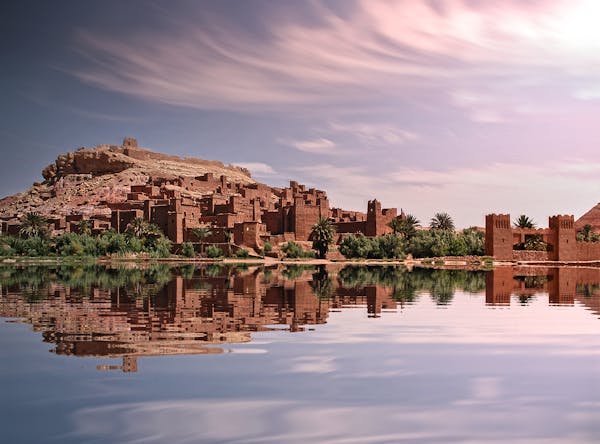
Hampi, Karnataka
UNESCO ruins, boulder-strewn landscape, and a backpacker Hippie Island across the river with ₹300 dorms. Rent a moped for ₹300/day and explore at your own pace.
From ₹800/day
Pushkar, Rajasthan
Entirely vegetarian, walkable, and deeply spiritual. Decent rooms from ₹400/night. The entire town is the attraction — no entry fees required.
From ₹800/day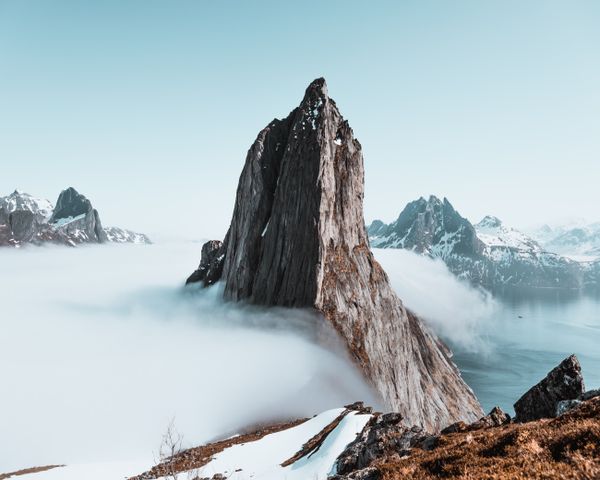
Kasol, Himachal Pradesh
Pine forests, Parvati River, and the gateway to Kheerganga and Grahan treks. Budget guesthouses from ₹450/night. Best May–June and September–November.
From ₹1,200/day
Varkala, Kerala
Clifftop restaurants, Arabian Sea views, yoga every morning. Fraction of North Goa's prices. Best November–March. Strong solo traveler community on the cliff strip.
From ₹1,200/dayFor more extended offbeat options: Mechuka in Arunachal Pradesh and Spiti Valley in Himachal Pradesh offer extraordinary landscapes with very low local costs once you arrive — the transport to reach them is the main expense, which is where community travel on TravelBuddiz makes the biggest difference (splitting a Spiti 4x4 four ways makes the journey genuinely affordable). See more offbeat destinations in our Secret Vacation Destinations guide.
Top 10 Budget Travel Hacks for India 2026
-
1
Book Trains on IRCTC, 60–120 Days Early
The cheapest reserved seats (Sleeper and 3AC) fill up weeks in advance on popular routes. The IRCTC app is free, reliable, and the only legitimate platform. Tatkal quota is a last resort — it adds a 30–50% surcharge. General Class (GEN) for journeys under 4 hours costs almost nothing and requires no advance booking.
-
2
Take Overnight Sleeper Trains and Save Two Costs at Once
A night train eliminates both the day's accommodation cost and the intercity transport cost simultaneously. On a 3-week trip with 6 overnight moves, this saves ₹12,000–₹18,000 in hostel beds alone — enough to fund the entire food budget for the trip.
-
3
Eat at Bhojanalayas for Unlimited Thalis
These local eateries serve unlimited thali — rice, dal, two sabzis, roti, and pickle — for a fixed price of ₹80–₹150. They do not appear on Zomato. They are found by walking past tourist restaurants into the lanes where workers eat. Ask any local where they eat lunch.
-
4
Use UPI for All Payments
Google Pay, PhonePe, and Paytm are accepted everywhere in India — street food stalls, auto-rickshaws, tiny village shops. UPI eliminates the "no change" problem that costs every foreign traveler money in small transactions, and helps you track spending precisely. Get a local SIM on arrival to activate UPI.
-
5
Get a Local SIM Card on Day One
Airtel and Jio offer data plans from ₹200/month for 1.5–2 GB daily data. Roaming charges from international plans cost 50–100x more. Get a local SIM at the airport or any mobile shop — bring your passport. Data is so cheap in India that it changes how you navigate, book, and communicate.
-
6
Carry a Student ID for Monument Discounts
A valid student ID gets you significant discounts at ASI-managed heritage sites including the Taj Mahal, Red Fort, Hampi's Vittala Temple complex, and dozens of others. The discount is typically 50–75% off the standard rate — meaningful across multiple monuments over a 2-week trip.
-
7
Avoid "Tourist Taxis" — Always Use Apps
Ola and Uber prices are fixed and metered. Unmarked tourist taxis outside stations and tourist sites typically charge 3–5x the app rate for the same journey. If you are in a city covered by Ola or Uber (effectively every major city and most tier-2 cities), use the app. Auto-rickshaws for short journeys: negotiate upfront or insist on the meter where meters exist.
-
8
Slow Travel: Stay Longer, Spend Less
Every intercity move costs money — in transport, in mental energy, and in the "new city premium" (the first day's mistakes where you overpay before you know the local prices). Staying 5+ days in one place dramatically reduces per-day costs. The traveler who spends 10 days in Hampi goes deeper, spends less, and leaves with better stories than the one who ticks it off in two.
-
9
Travel to Shoulder Season, Not Peak Season
September–November and March–April offer the best combination of reasonable weather, low tourist density, and significantly cheaper accommodation and transport — often 30–40% below December–February peak rates in popular destinations like Rajasthan, Kerala, and Himachal Pradesh.
-
10
Join TravelBuddiz Groups to Split Remote Costs
For offbeat destinations like Spiti Valley, Ziro Valley, or Tawang where the only practical transport is a private 4x4 — splitting it four ways through a verified TravelBuddiz group makes the journey cheaper than a public bus while providing the comfort and flexibility of private transport.
Community Travel: The Ultimate Budget Multiplier
Modern budget travel in India is not just about spending less — it is about traveling smarter. By joining forces with other travelers, you access experiences that would be too expensive or too logistically difficult solo. The community dimension of group travel is not a compromise; it is an upgrade.

TravelBuddiz groups have saved travelers up to 50% on total trip costs — while delivering a better experience than solo travel
💰 Real Community Savings from TravelBuddiz Groups
Spiti Valley circuit: Renting a shared 4x4 for 7 days costs ₹28,000 total — split four ways, that is ₹7,000 per person for unlimited access to every village and monastery, compared to ₹3,000–₹5,000 per shared jeep seat on fixed operator routes with no flexibility.
Ziro Valley homestay: A traditional Apatani family house costs ₹2,400/night for the whole property. Split four ways: ₹600 per person, including dinner and breakfast. The equivalent single traveler pays ₹800–₹1,200 for a basic guesthouse room with no meals.
Tawang monastery guide: A verified local guide costs ₹2,500 for a full day. Split four ways: ₹625 per person for access to monastery sections, off-limit viewpoints, and context that transforms a tourist walk into a living education. The same guide solo costs ₹2,500.
Overall weekly saving: TravelBuddiz community data shows travelers in verified groups of 3–4 save an average of ₹8,000–₹15,000 per week compared to solo travel at the same comfort level — while having a measurably better social experience. Find your group →
Frequently Asked Questions About Budget Travel in India
India Gives Back as Much as You Put In
India is a country that rewards curiosity over convenience and patience over planning. The cheapest trips here often produce the richest memories — not because cheap is better, but because traveling close to the ground puts you in contact with the country that actually exists. Our community is already planning budget adventures to places you've only dreamed of.
Find Travel Buddies for Your Next Trip → Find a Local Host