India's most popular destinations are reaching their breaking point. Manali grids to a halt on summer weekends. Leh's monastery lanes are choked with Instagram setups. Goa's beaches are indistinguishable from any mid-budget resort strip in Southeast Asia. None of this is inevitable — it is just what happens when a country's most beautiful places become synonymous with a single peak-season crowd surge. The solution is not avoiding India. It is choosing the version of India that hasn't been optimized for social media yet.
These seven destinations aren't just offbeat — they are gateways to the country where locals still welcome you as a guest, where nature hasn't been paved over, and where silence is the default setting. But only if you visit thoughtfully: give each place 3–4 nights minimum, choose a verified local host, carry cash, and embrace the digital detox that comes with patchy connectivity. Rushing defeats the entire purpose.
"The places that change you are rarely the ones on the top of any list. They are the ones you had to work slightly harder to reach."— TravelBuddiz Community Host, Mechuka, Arunachal Pradesh
Gurez Valley
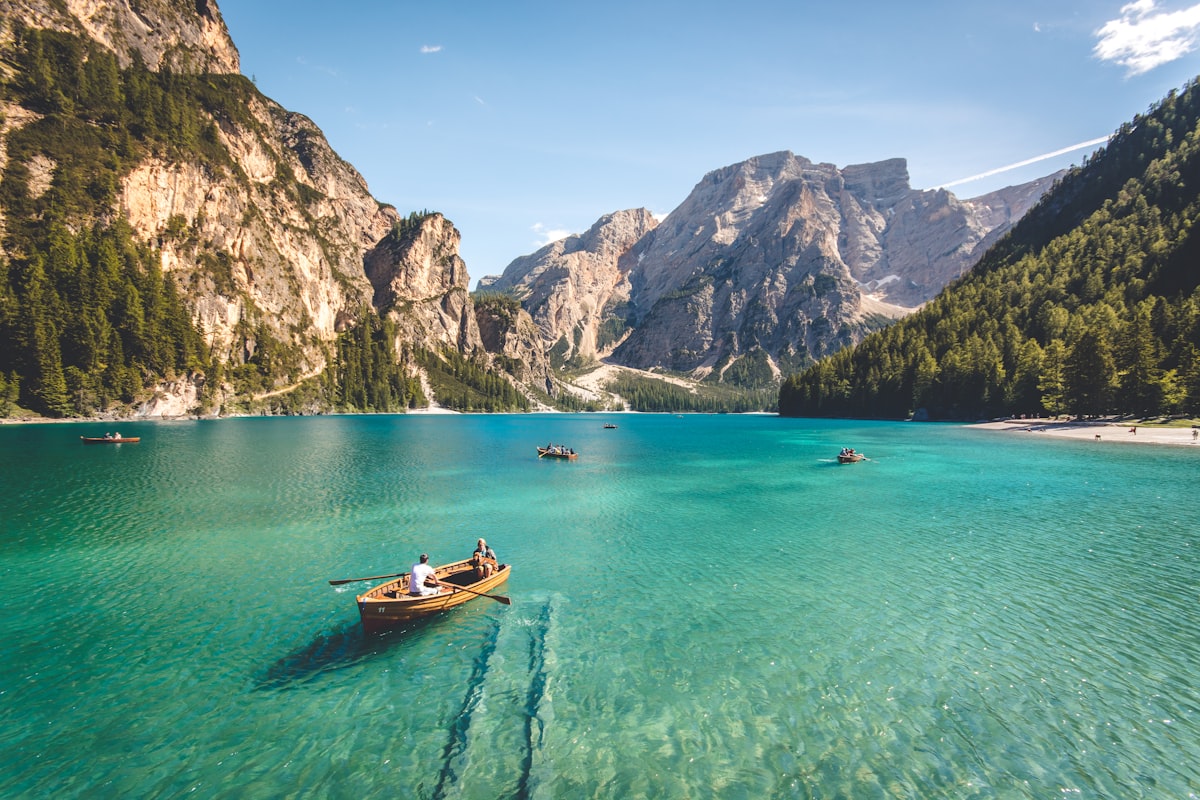
The Grand Gateway of the Silk Route is wrapped by the Habba Khatoon peak on one side and the Kishanganga River running through its floor. This was a restricted border zone for decades — the relative openness since 2021 has made road access more reliable without yet opening it to mass tourism. At 8,000–9,000 feet, the meadows around Dawar village are genuinely extraordinary at dawn: cold clear air, walnut-wood houses with smoke rising from them, and trout visible in the river below.
No permit is required for Indian citizens — carry a valid government photo ID. ATMs are completely absent inside the valley; carry sufficient cash from Bandipora or Srinagar. The road from Bandipora (100 km) takes 3–4 hours and is weather-dependent. Stay in walnut-wood homestays in Dawar village. Ask your host about the Kishanganga valley trekking routes that almost no outside travelers take.
Shoja
Shoja trades crowds for cloud shows. Sitting above the Seraj Valley at 8,200 feet, it offers what people imagine before they arrive in Manali and find it overrun: cedar forests that seal out the noise, fog that rolls through in the late afternoon, and a morning quality of light that makes every photograph look effortless. It is the base for Jalori Pass (3,120m) and the Serolsar Lake trail without the tourist infrastructure of Tirthan Valley one ridge over.
4G connectivity works near the village but drops on any trail. Snow is possible December to February — the pass road sometimes closes. Stay a minimum of 2–3 nights; one day is spent adjusting, and the best Shoja usually happens on the second morning when the mist moves exactly right. Raghupur Fort meadow is a 30-minute walk from the main village and remains entirely uncrowded.
Chopta
Chopta is often called the Mini Switzerland of India, which is reductive. It is more accurately a birder's paradise and trekker's base that happens to be spectacularly beautiful. At 2,680m in the Kedarnath Wildlife Sanctuary, it offers bugyals (high-altitude meadows), rhododendron forests in bloom from March to May, and the 4 km trail to Tungnath — the world's highest Shiva temple — as its centerpiece. Chandrashila summit (3,679m) adds another 1.5 km for panoramic views of Nanda Devi, Trishul, and Kedar peaks.
Deoria Tal, 4 km from nearby Sari village, is one of the best Milky Way photography spots in the Indian Himalayas — the Chaukhamba reflection in the lake at night is unforgettable. Patchy signal throughout: download offline maps before Ukhimath. Maintain silence near the Tungnath shrine. Stay in tent camps or basic lodges; book in advance for October when the meadow crowds slightly.
Mechuka
Wooden houses, hanging bridges over the Siang River, and a valley at 1,800m that looks like it was designed for a film set that no film has found yet. Mechuka in West Siang district is remote, soulful, and respectful tourism is what keeps it that way. The Adi community lives here in a rhythm that has not dramatically changed in a generation, and visitors who come with genuine curiosity and cultural respect are welcomed with corresponding warmth.
Greet locals with Tashi Delek. Ask before photographing monasteries or personal spaces. The route: fly to Dibrugarh, overnight at Aalo (Along), then a 7–8 hour drive on scenic but slow mountain roads. The difficulty of getting here is precisely what preserves it. A local verified host who knows the roads and the families is not optional here — it is how this destination works.
Bhandardara
Close to Nashik, yet Bhandardara remains surprisingly calm. This is because the people who know about it don't shout about it, and the people who come to it for party tents quickly discover there are none. What there is instead: Arthur Lake glowing copper at sunset, Wilson Dam letting the monsoon overflow in dramatic curtain-falls, fireflies covering the hillside between November and February, and some of the clearest skies in Maharashtra for astrophotography.
Best experienced in two distinct modes: July to September for waterfalls, green Sahyadri hills, and the drama of Sandhan Valley canyon with a guide; November to February for crystal skies, firefly season, and lake air so clean you can taste the difference. The Harishchandragad trek nearby suits adventurous groups. Stay in MTDC cottages or locally-run homestays. Avoid peak-season Mumbai holiday weekends when pricing doubles and peace halves.
Mandu
Mandu is poetry carved in basalt. The 15th-century Jahaz Mahal — the Ship Palace — floats between two artificial lakes; the effect is most dramatic during heavy monsoon rains when the surrounding water rises and the palace appears to sail. Afghan arches catch the monsoon light at an angle that no architect since has matched. Rupmati Pavilion at sunset. Baz Bahadur's Palace acoustics when no tourist bus is present. These are the moments Mandu gives you in return for choosing it over Agra or Jaipur.
The best season is July to September for emerald ruins in full monsoon green, and October to February for pleasant heritage walks without heat. The drive from Indore is 60 km (Dhar district); Mhow is the nearest railway station. ASI entry fee: ₹25 for Indians. Stay near the Sagar Talao to wake up to water and ruins simultaneously. Hire a local guide for the first walk — the history of Ghiyas-ud-din Khilji and Rupmati makes the stones make sense.
Maravanthe Beach
One of India's rare coastlines with the Arabian Sea on one side and the Souparnika River on the other — with NH-66 running in between so you can see both from the same road. Minus the Goa rush. The beach here is nicknamed the Virgin Beach of Karnataka for good reason: fishing boats, no loud music, no party infrastructure, just coconut groves, village shacks, and the sound of two bodies of water competing for your attention.
Best experiences: zero-crowd sunset from the beach strip, Souparnika backwater kayaking at dawn, and fresh seafood cooked the same morning it was caught at village shacks on the river side. Stay in Byndoor (6 km) or Kundapura (20 km) in locally-run homestays. Visit November to February for calm seas; avoid peak monsoon swells (June–September) when swimming is unsafe and roads can flood. Senapura railway station (Konkan Railway) is 2 km from the beach — a direct train from Goa or Mangalore is the cleanest way to arrive.
Plan Like a Responsible Traveler in 2026
More Offbeat India from TravelBuddiz
The Routes That Change You Are the Quieter Ones
Every one of these seven destinations is accessible if you plan correctly and choose depth over speed. They reward travelers who show up with intention, stay long enough to understand the rhythm of the place, and leave it exactly as they found it.
Find a Group Trip to These Destinations →